For a distributor, the machine is the easy part of the decision. What decides whether a line is worth carrying is everything around it: whether cartridges will still be available in five years, how a warranty claim is handled across a border, and what happens when a container is late.
Continuity of consumables
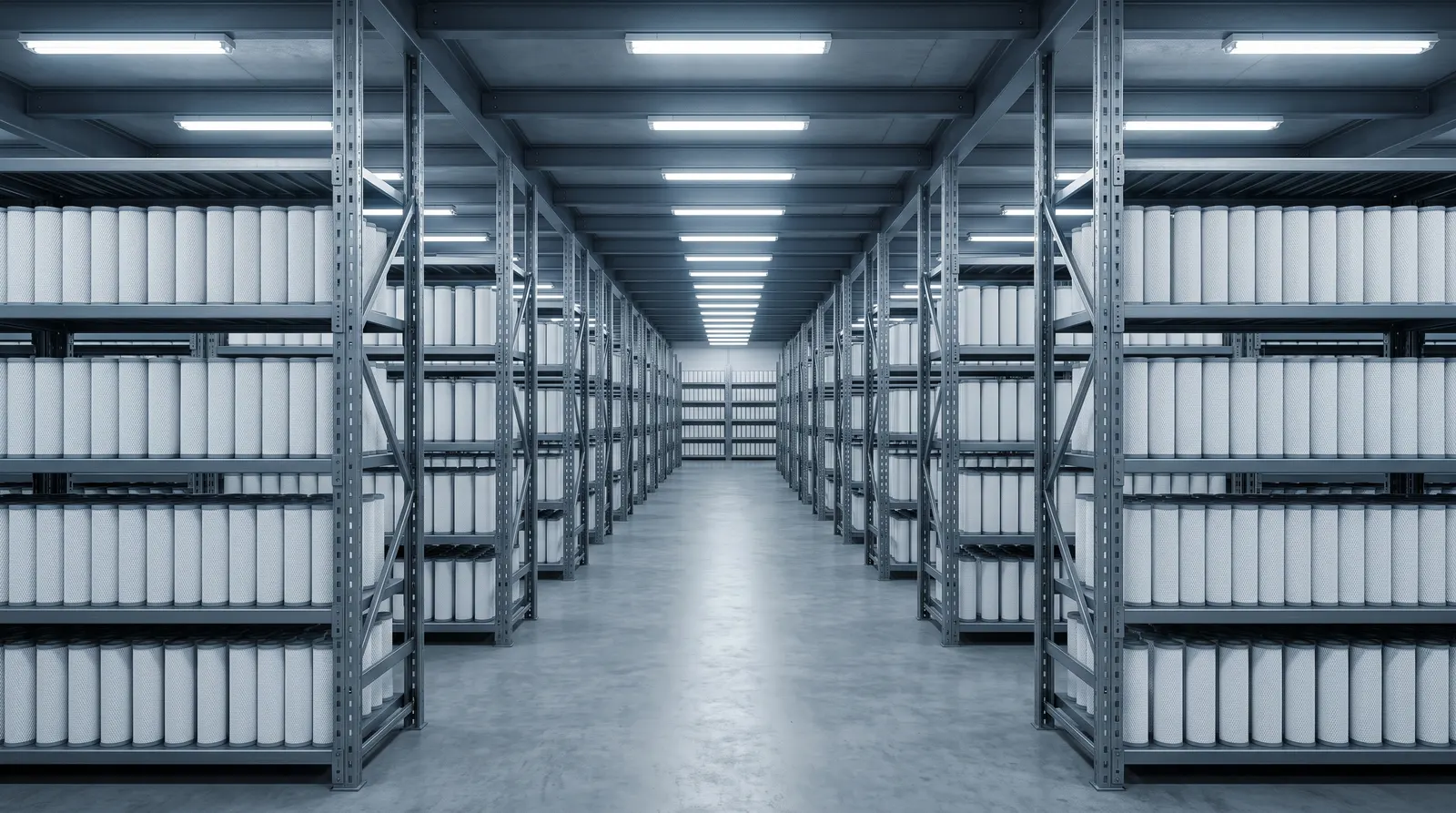
A purification system is a consumables business. Every unit sold is a commitment to supply cartridges for its service life, and a range that changes cartridge geometry between generations quietly strands the installed base. Asking a manufacturer how long a given cartridge will be produced is a fair and specific question.
OEM and ODM are two different asks
- OEM: an existing platform under your brand, with the changes limited to what does not alter certification.
- ODM: a design adapted or built for your market, which changes tooling, lead time and minimum quantity together.
- Either way, the questions to settle early are certification scope, spare-part supply and who holds the tooling.
What travels badly, and what does not
A machine designed around one country's water and one country's mains pressure does not automatically suit another's. Pressure is the variable that catches people out on a pump-free range — the minimum inlet pressure is the first line to check against a target market, not the last. Certification is the second: a mark valid in one region is not a mark valid everywhere, as set out in what water-treatment certifications actually certify.
Company details, addresses and the enquiry route are on the contact page; certificates and manuals are on the information page. Neither is repeated here, because a number copied into an article is a number that goes stale.