
News
Water filtration, explained
How reverse osmosis works, what a filter can and cannot remove, how to choose a system and how to keep one running — plus where KomiBright has been.
Filter and sort
Order
Reverse osmosis
What Is Reverse Osmosis and How Does It Work?
How reverse osmosis works, what a membrane holds back, and why every RO system produces two streams of water rather than one.
Reverse osmosis
How Does a Water Purification System Work?
The stages a water purification system runs in order, what each one is for, and how to read a specification sheet that lists them.
Reverse osmosis
RO vs. UV Water Purification: What Is the Difference?
Reverse osmosis removes what is dissolved in water; ultraviolet inactivates what is alive in it. The two answer different questions.
Water quality
What Contaminants Can Water Filters Remove?
Which stage catches which class of contaminant, and why no single filter is responsible for all of them.
Choosing a system
How to Choose a Water Filtration System for Your Home
Four questions decide it: what is in your water, how much you need a day, how much room is under the sink, and what pressure the mains gives you.
Choosing a system
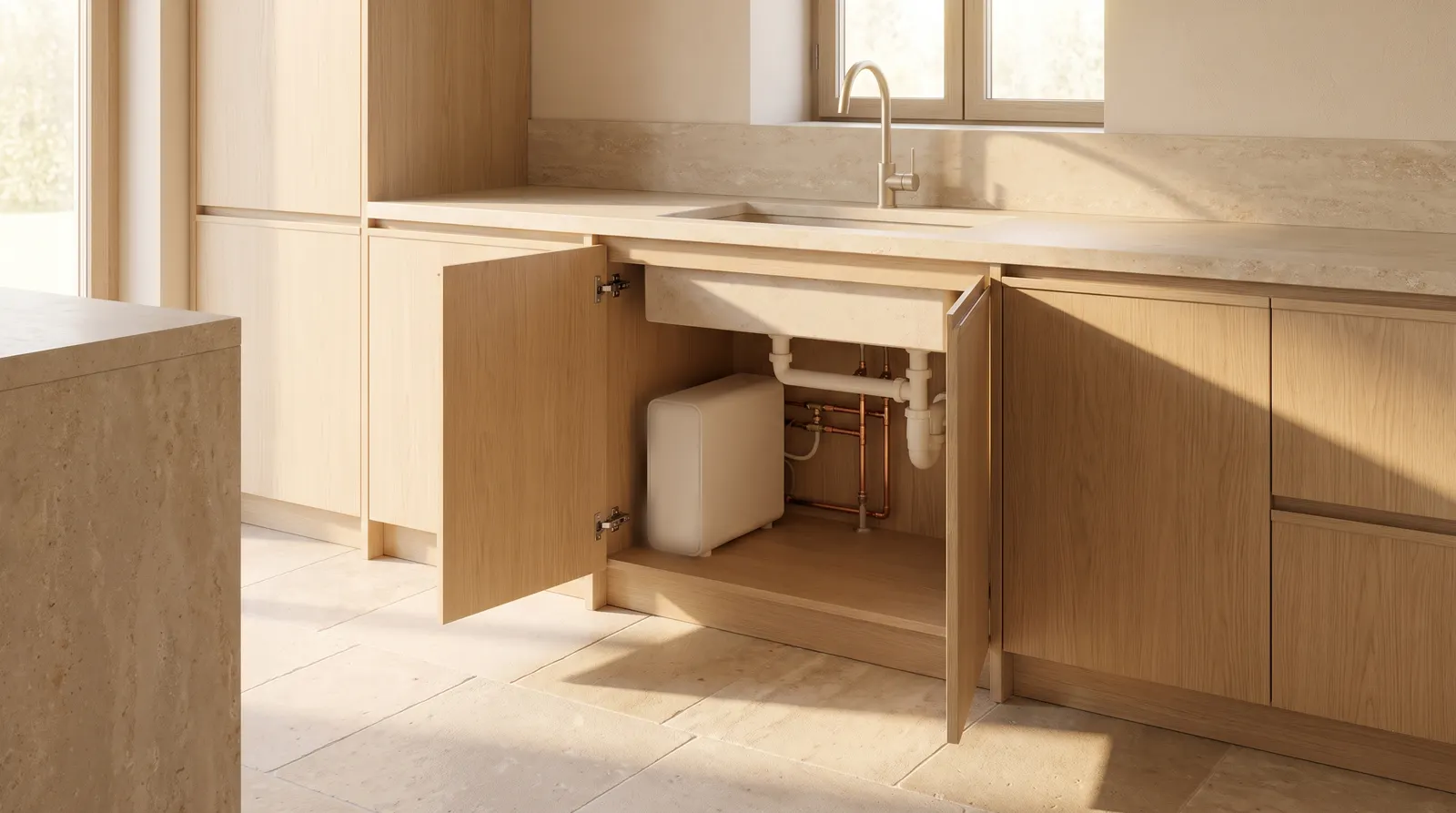
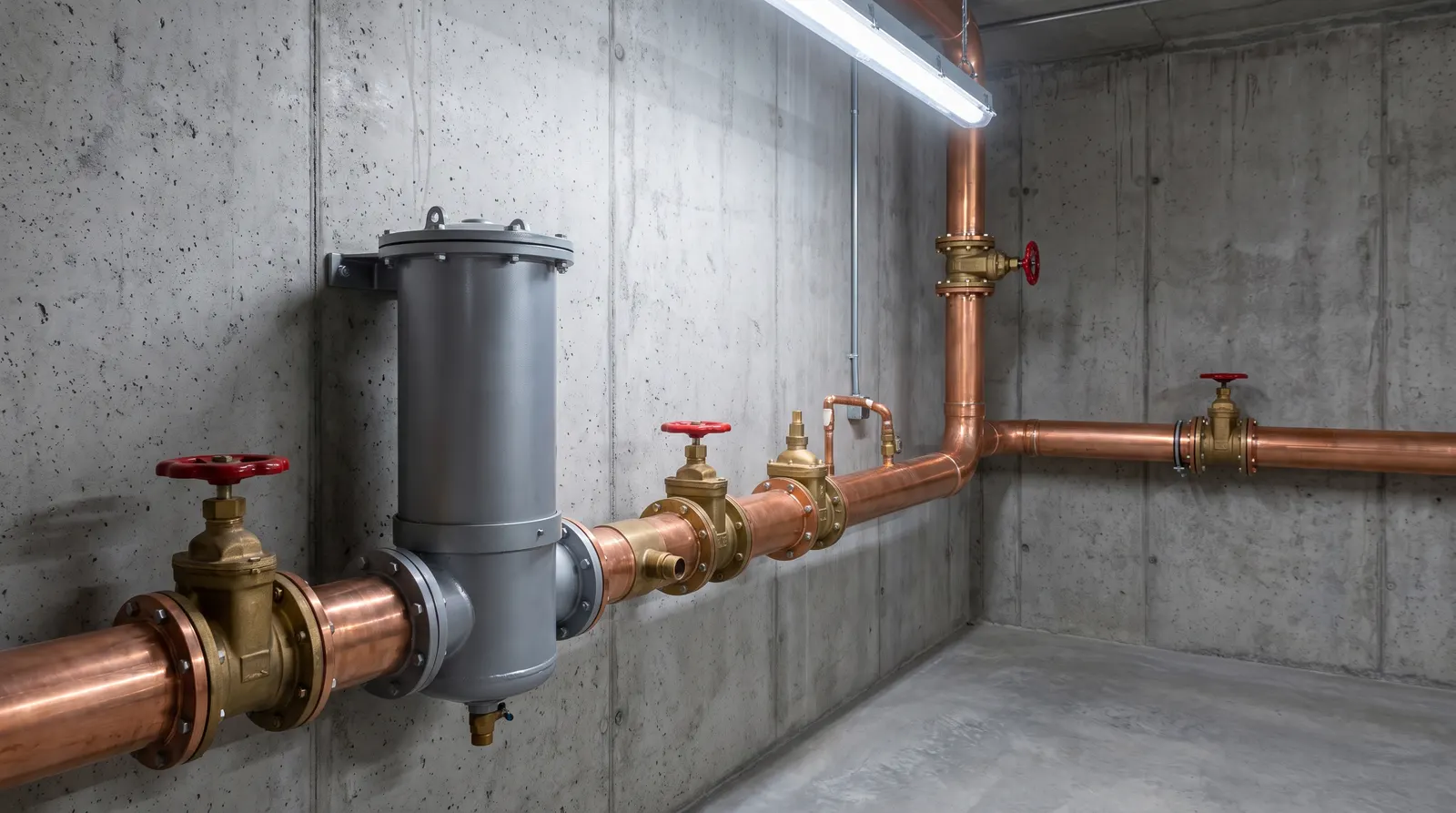
Whole-House vs. Under-Sink Water Filtration
One protects the plumbing and every outlet; the other treats the water you drink. What each is for, and why many homes end up with both.
Maintenance
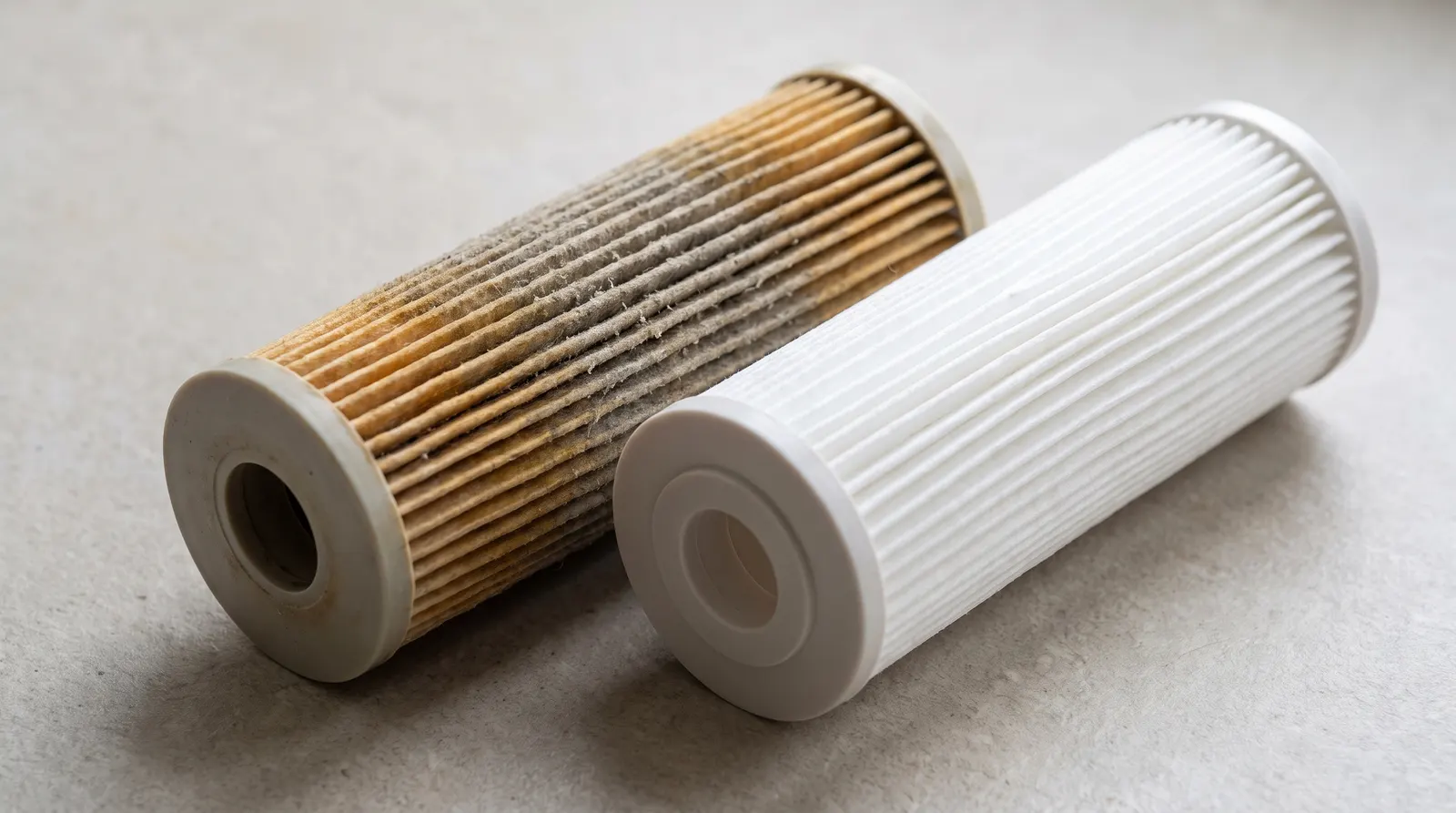
How Often Should Water Filters Be Replaced?
Why the interval on the box is a starting point, what shortens it, and the signs that a cartridge is past its useful life.
Reverse osmosis
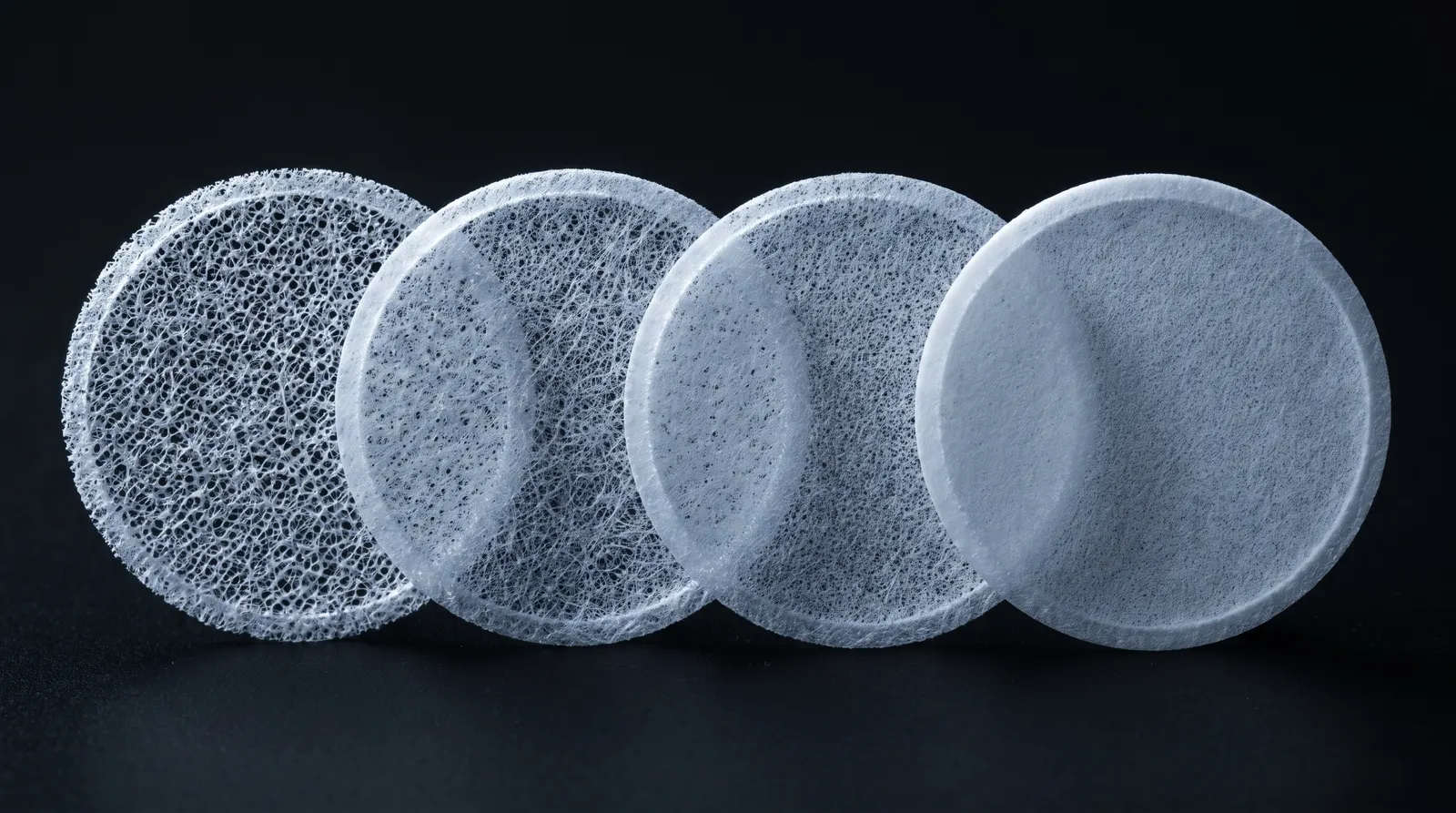
What Is Membrane Filtration?
Microfiltration, ultrafiltration, nanofiltration and reverse osmosis are one family sorted by pore size. Which one you need depends on what you are trying to hold back.
Sustainability
What Is Water Reuse and Why Does It Matter?
Treating water so it can be used again, the grades that reuse comes in, and where a point-of-use system sits in that picture.
Sustainability
How Does Water Filtration Support Sustainable Water Management?
Where filtration genuinely reduces load — energy, packaging, transport and parts — and where the claim is usually overstated.
Sustainability
Energy-Efficient Purification and What It Changes in System Design
Where the energy in a purification system actually goes, and what a designer gives up or gains by removing the pump.
The questions we are asked
What is reverse osmosis and how does it work?
Pressure pushes water through a membrane whose pores pass water molecules and hold back nearly everything dissolved in them. What gets through is the filtered water; what does not leaves as concentrate.
How do you choose a system for your home?
Four questions decide it: what is in the water you start with, how much filtered water you need a day, how much room there is under the sink, and what pressure the mains gives you.
What can a water filter actually remove?
It depends entirely on the stage. Sediment filters catch particles, activated carbon takes chlorine and taste, and a reverse-osmosis membrane is the stage that removes dissolved salts, metals and most of what carbon cannot.
RO or UV — what is the difference?
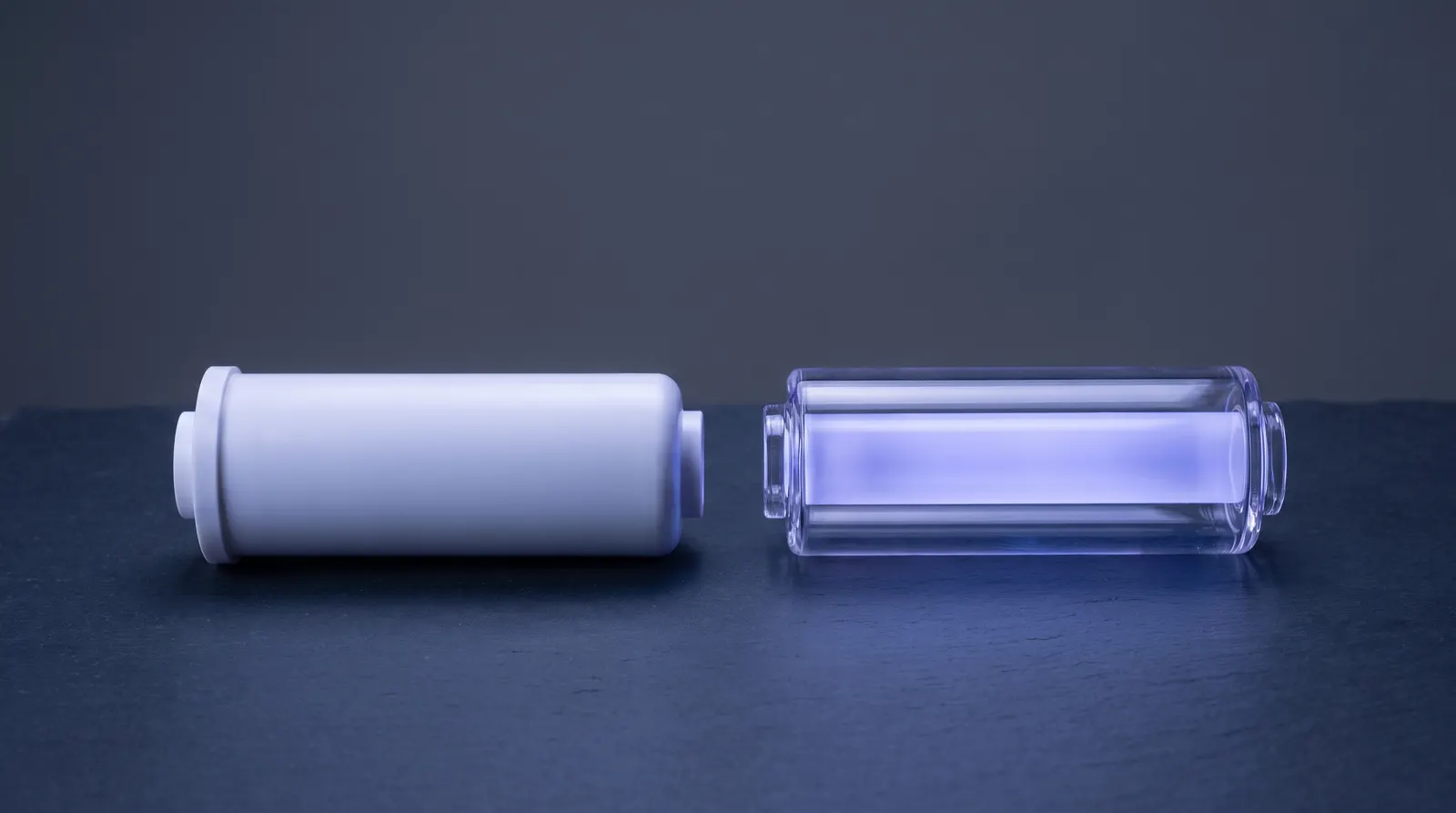
Reverse osmosis takes things out of the water. Ultraviolet takes nothing out — it inactivates microorganisms and leaves every dissolved substance exactly where it was. They answer different problems.
Whole-house or under-sink?
A whole-house filter treats everything entering the building, usually for sediment and chlorine. An under-sink system treats only what you drink, and treats it much further. Most homes want both, for different reasons.
How does a purification system work, stage by stage?
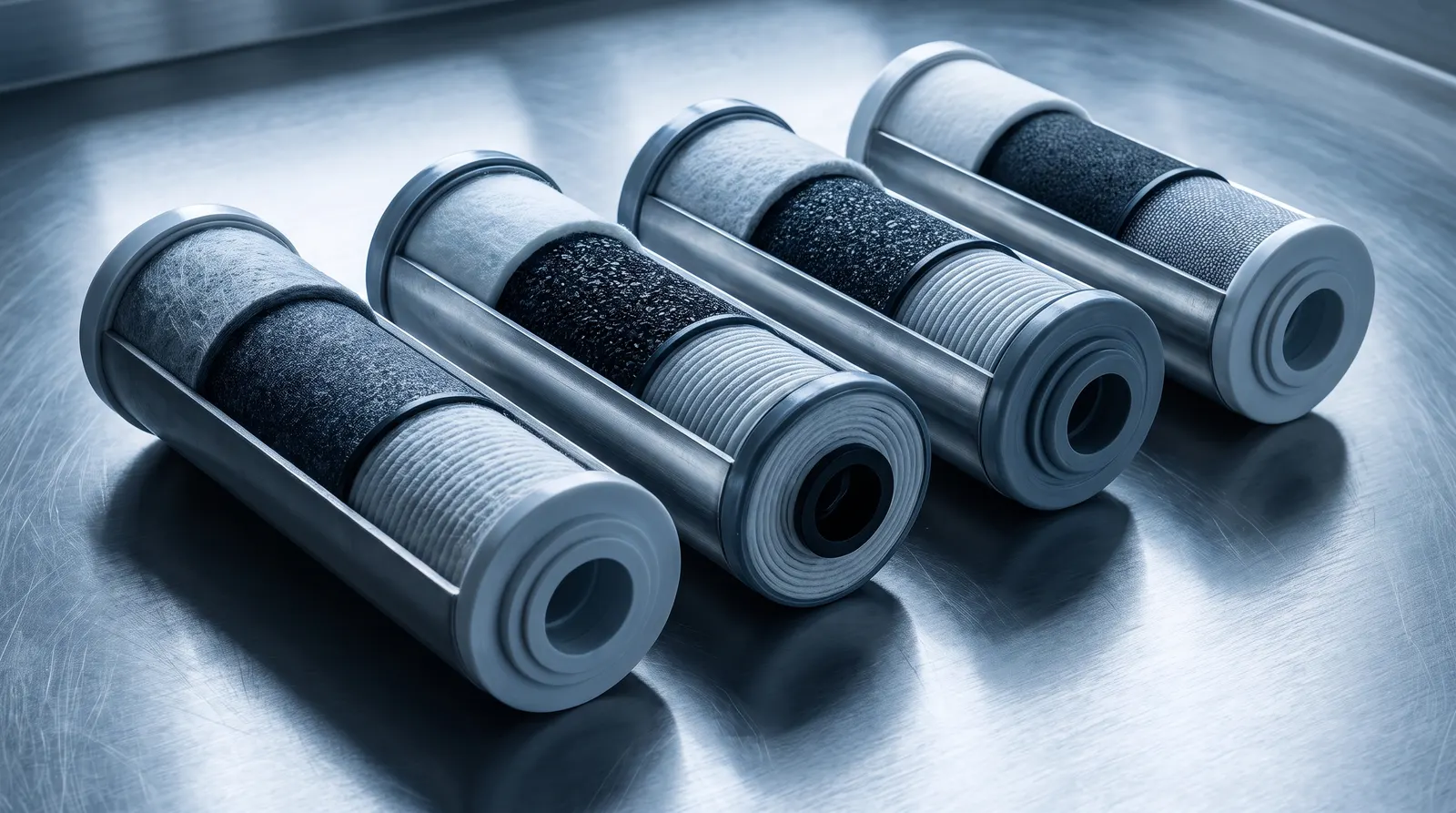
In order: a sediment filter takes the grit out so the later stages last, carbon takes the chlorine out so the membrane is not damaged by it, the membrane does the separation, and a final carbon stage polishes the taste.
How often do filters need replacing?
Pre-filters are replaced several times for every membrane, because they do the coarse work. The interval depends on your feed water and how much you draw, so the figure that matters is the one in your model's manual.
What is membrane filtration?
Separation by pore size, across a spectrum. Microfiltration and ultrafiltration hold back particles and microorganisms; nanofiltration and reverse osmosis go further and hold back dissolved matter.
What is water reuse, and why does it matter?
Treating water that has already been used so it can be used again, for irrigation, industry or supply. It matters because it makes the same freshwater go around more than once.
How does filtration support sustainable water management?
It lowers demand on fresh sources, makes reuse possible at all, and takes bottled water and its transport out of the picture. A system that needs no pump takes the electricity out too.
The short answer to each. The longer one is the article it belongs to.
Company news
- 28–30 Oct 2026Upcoming exhibition
Aquatech Shanghai 2026 — Shanghai Innovative Water Exhibition
Shanghai New International Expo Centre (Pudong)
Booth E7G01
Arrange a meeting at the stand → - 5–7 Nov 2025Exhibition
Aquatech China 2025, Shanghai
Shanghai, China
- 9 Mar 2024Visit
An Argentinian customer visits the factory
Quanzhou, Fujian
- Date to confirmPress
Featured in the largest newspaper in the Netherlands
Netherlands
- 2023Exhibition
Aquatech China 2023, Shanghai
Shanghai, China
- Date to confirmProduct
Four generations of product updates
Want the detail behind any of these?
Get in touch →