Filtration is often described as sustainable in general terms. It is worth being specific, because two of the usual claims hold up well and one does not.
Packaging and transport: the strongest claim
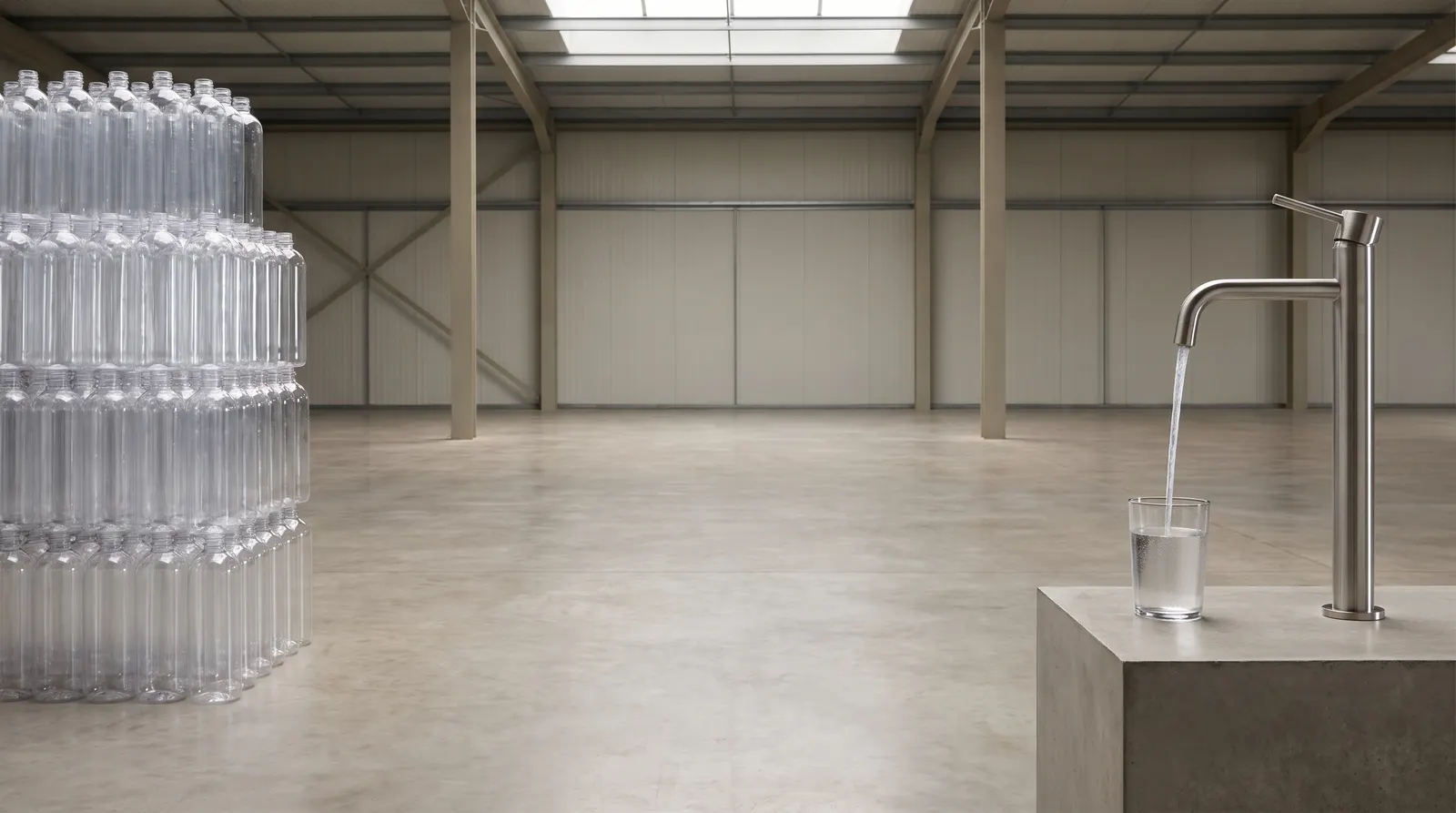
Water is heavy, and moving it in bottles means moving that weight by road. Treating at the point of use removes the packaging and the journey together. In an office or a restaurant the difference is measured in pallets a month, which is the version of this argument a buyer can actually check against their own delivery notes.
Energy: real, but only if there is any to remove
A system that runs on mains pressure alone uses no electricity in operation. That is a genuine reduction against a pumped system, and it also removes the failure mode that comes with a pump. It is not a reduction against nothing: the pressure it uses was produced by the utility's own pumping. The honest form of the claim is that the system adds no electrical load of its own.
Parts and service: the quiet one
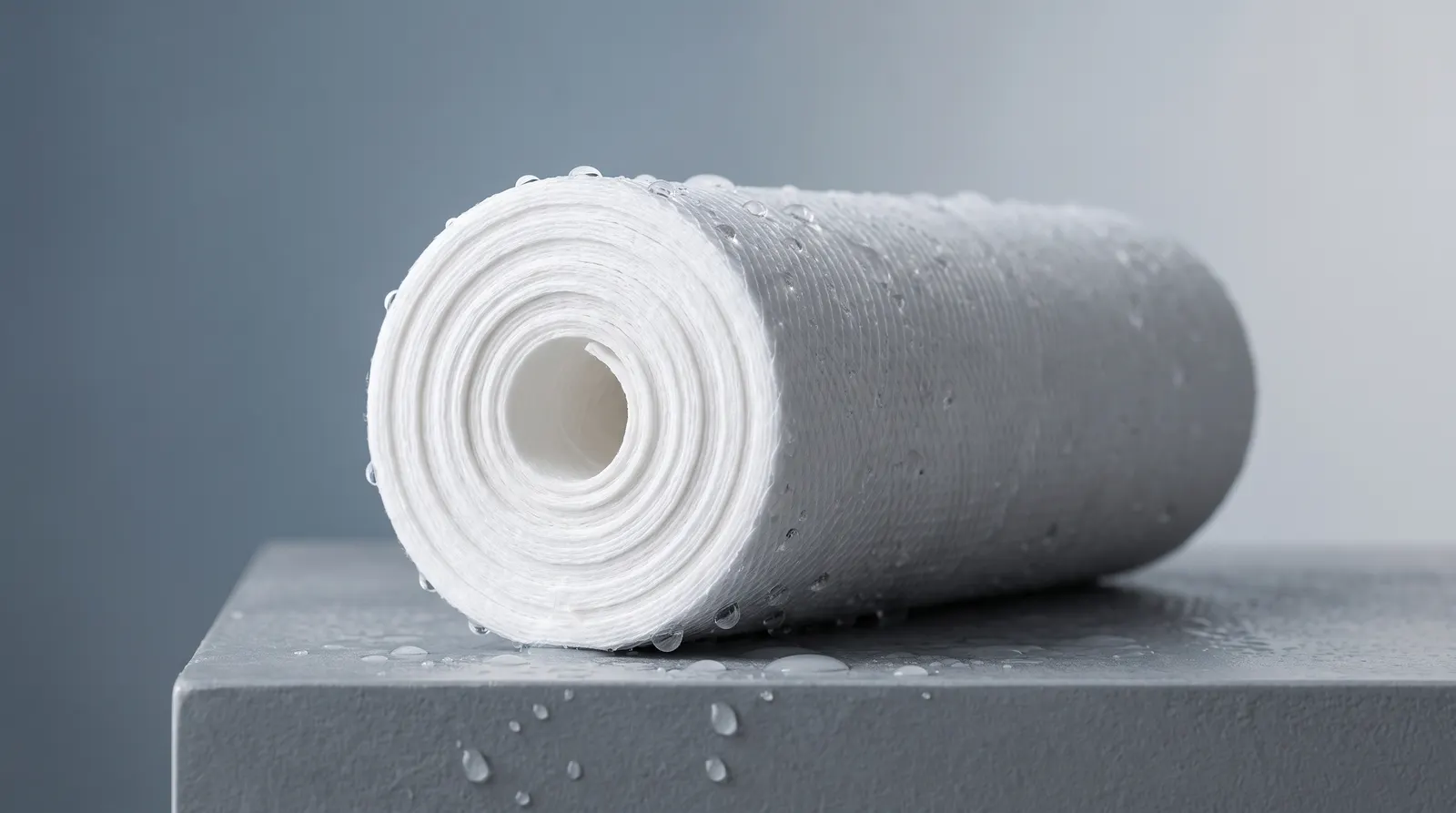
Every housing is a part to make, ship, seal and eventually replace. Integrating stages into one cartridge body reduces the count of all four. It is a small effect per unit and a real one across a fleet, and unlike the other two it shows up in a service contract rather than in marketing copy.
The claim not to make
That filtration saves water. Reverse osmosis produces a concentrate stream by design — that is how the rejected load leaves. A system can be efficient about the ratio, and the ratio is a fair thing to ask a manufacturer for, but a process that discards nothing would clog. Anyone claiming otherwise is describing a machine that does not exist.