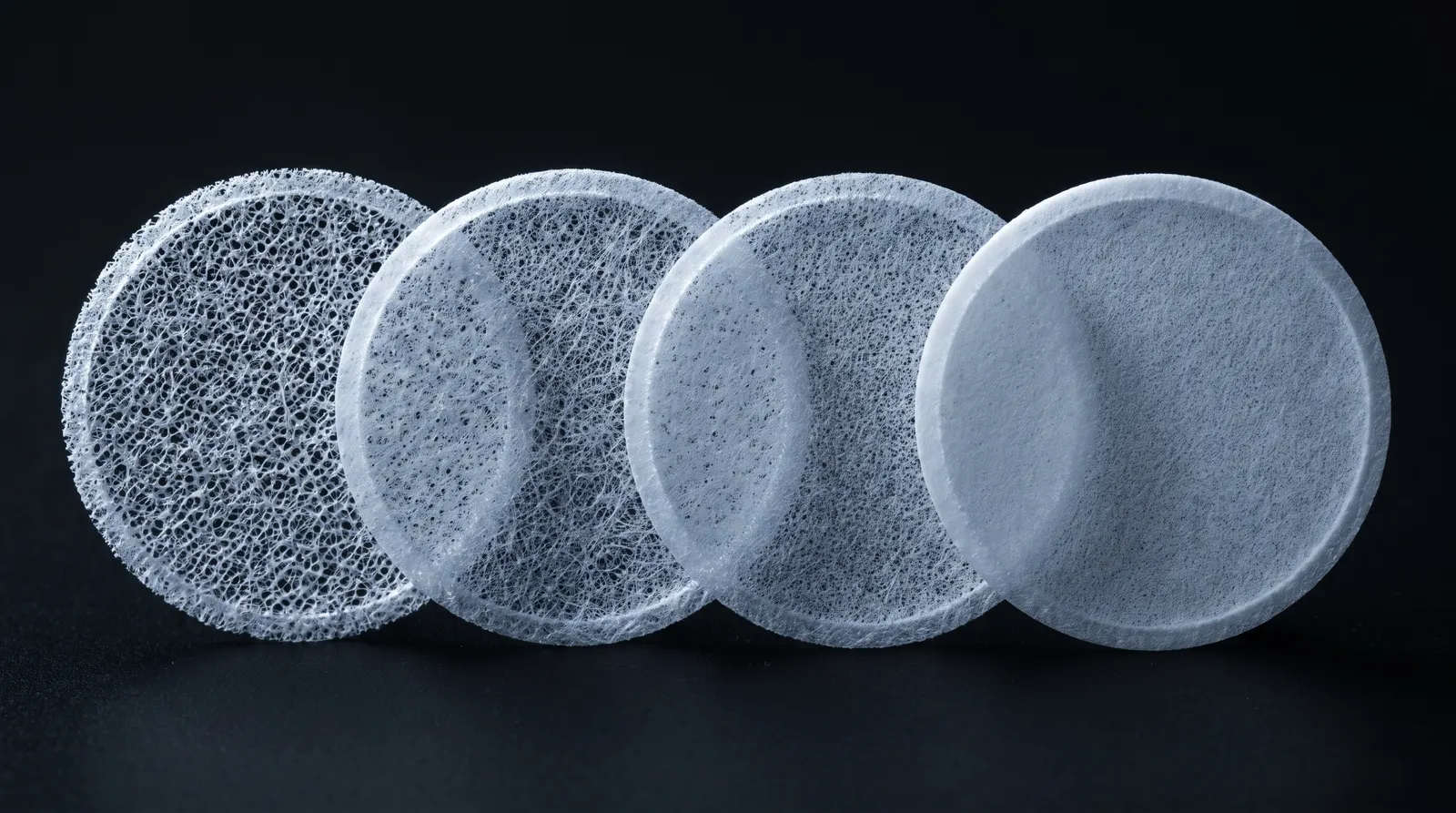
Reverse osmosis is a filtration method that separates water from what is dissolved in it by pushing it through a membrane. The pores in that membrane are around a millionth of the width of a human hair — small enough to pass a water molecule and hold back most of what water picks up on its way to a tap.
Osmosis, and why this is the reverse of it
Left alone, water moves across a membrane from the less concentrated side to the more concentrated one until both sides match. That is osmosis, and it is how a plant root draws water out of soil. Applying pressure to the concentrated side drives the movement the other way: water crosses, the dissolved load does not. Hence reverse osmosis.
That pressure is the part most descriptions skip. An RO membrane does not work on gravity or on contact time; it works because one side is pushed harder than the other. In a household system that push is usually the mains supply itself, which is why the pressure at the inlet decides whether a system will perform as specified.
Two streams, not one
Everything the membrane holds back has to go somewhere. An RO system therefore produces filtered water on one side and concentrate — the water carrying the rejected load — on the other. A system that produced only filtered water would clog within days. The ratio between the two is one of the numbers worth asking a manufacturer for, because it is what your water bill notices.
What sits around the membrane
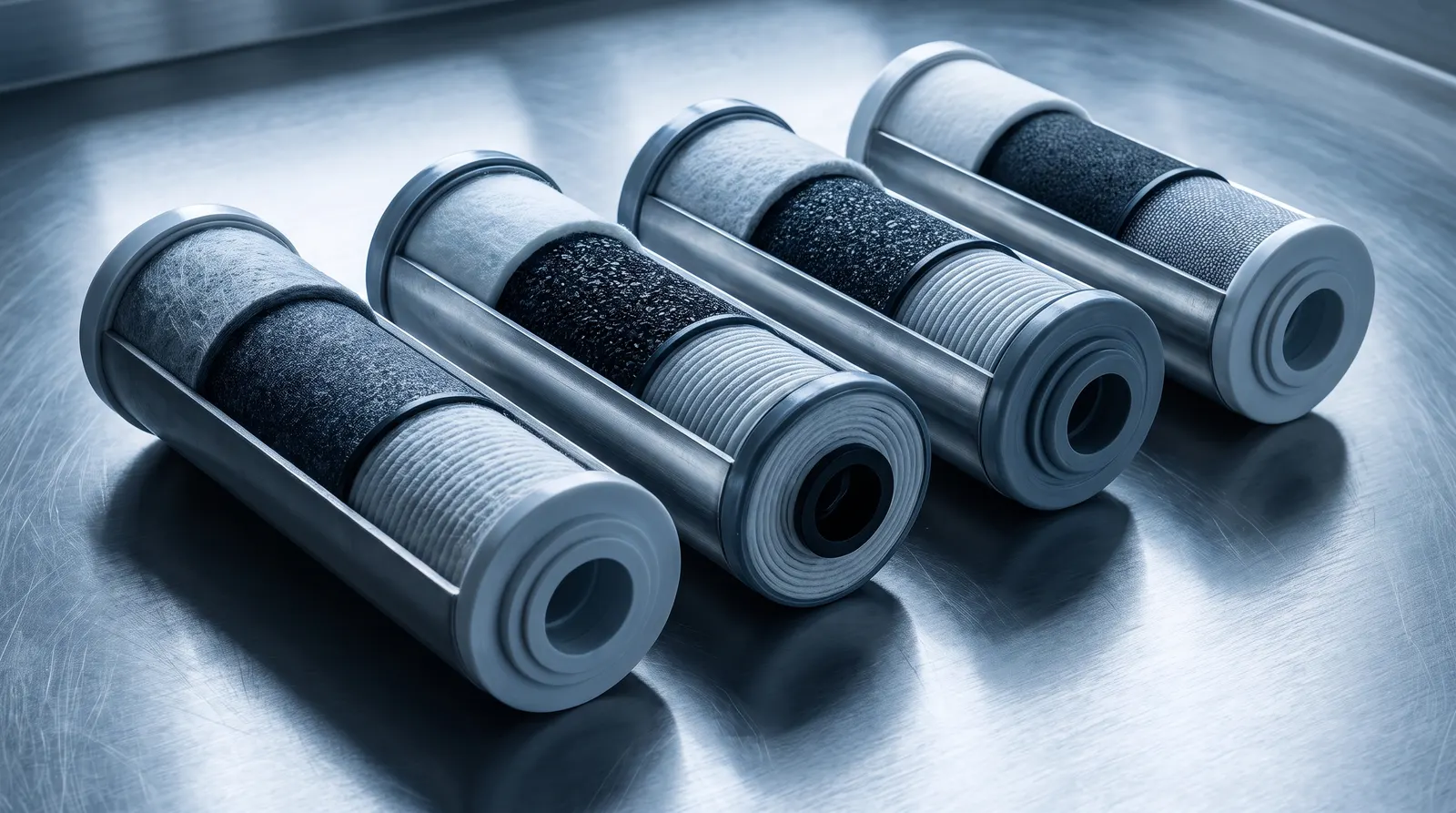
A membrane is never the whole system. Sediment and carbon stages run ahead of it to take out the particles and the chlorine that would otherwise shorten its life, and a post-carbon stage often runs after it to finish the taste. The membrane is the stage that does the separating; the others exist so that it can keep doing it.
Pump-free is about the pump, not the pressure
KomiBright's under-sink and commercial systems run without a booster pump and without an electrical supply, on the pressure the mains already provides. That is a statement about the pump, not about pressure: below the minimum inlet pressure a system is rated for, it will not perform. The A95R is the deliberate exception in the range — it carries a 25W priming pump and is the one model rated for open water sources such as a river or a lake.