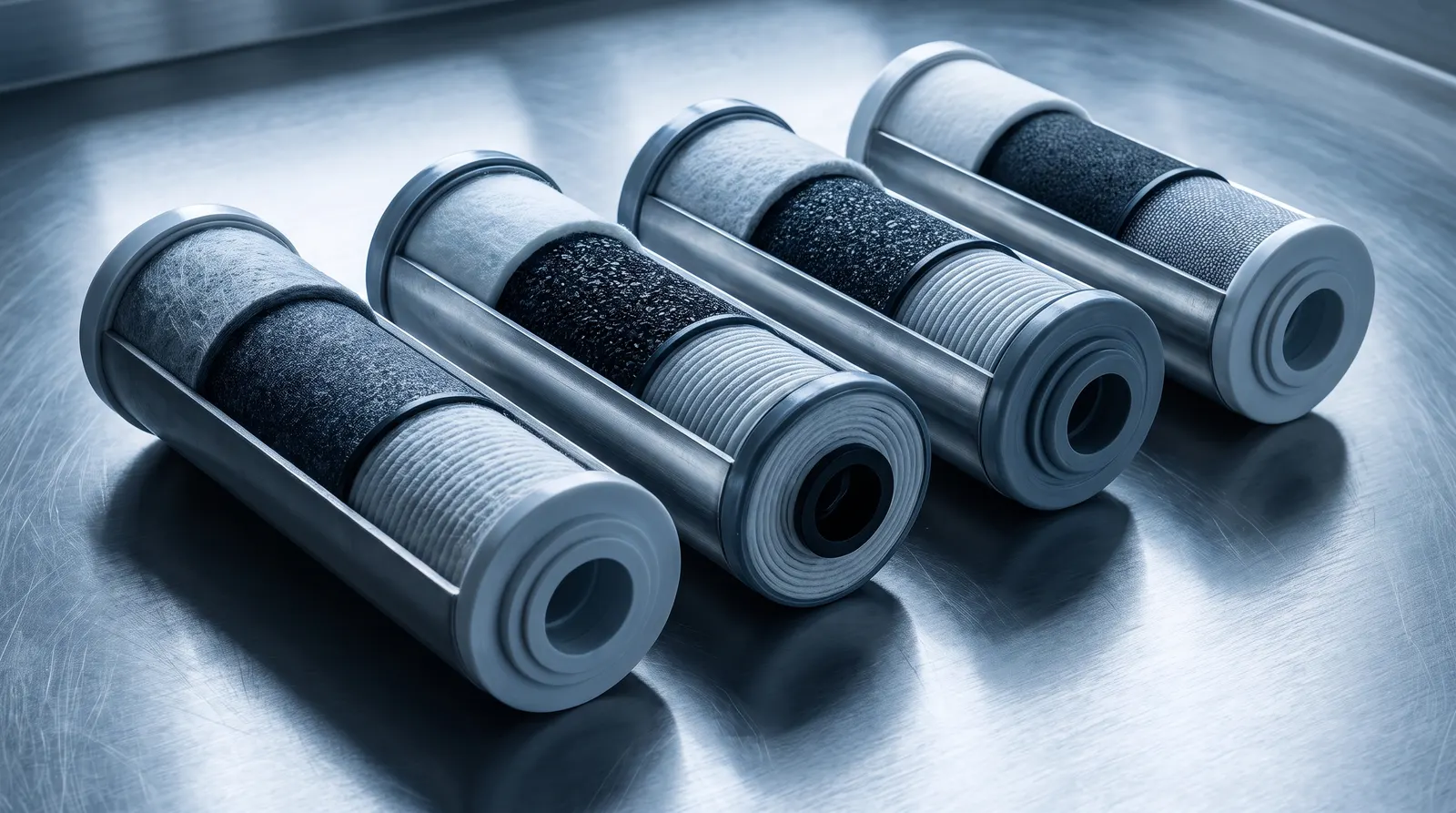
A purification system is a sequence, and the order matters more than any single stage in it. Each stage removes what would otherwise damage or overwhelm the next one, which is why a specification sheet lists them in order rather than as a set.
The stages, in the order they run
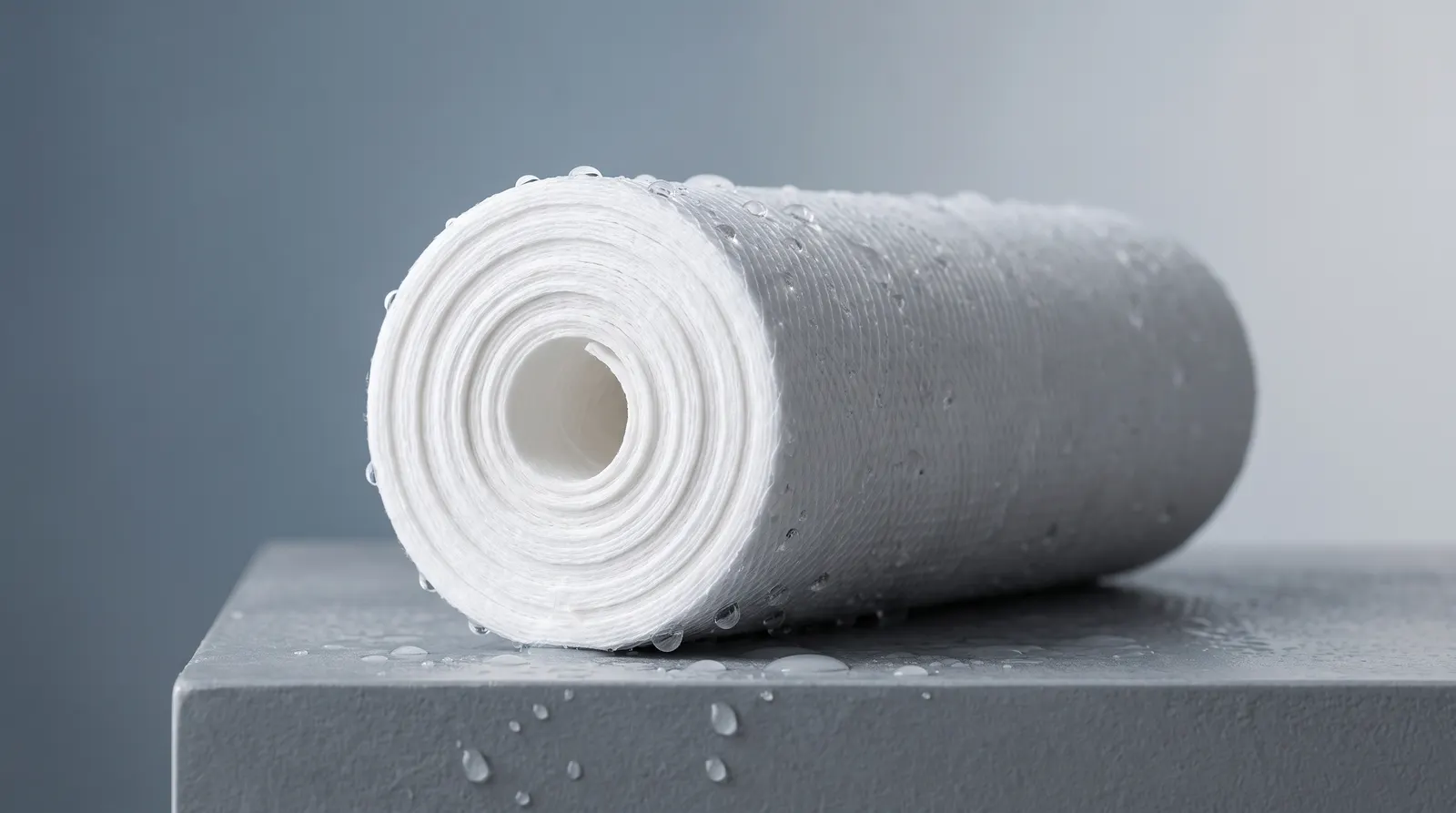
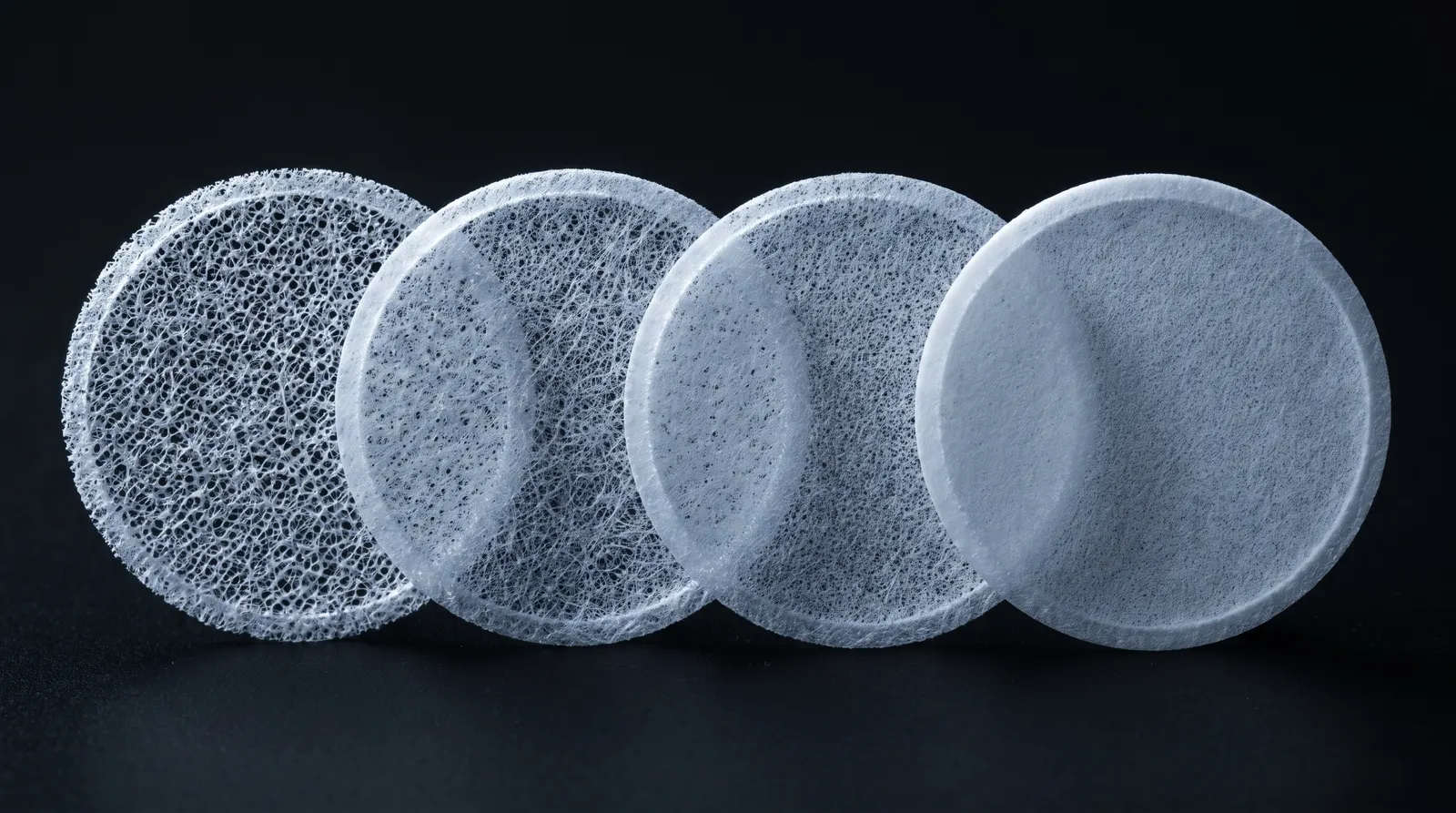
- Sediment: sand, rust and silt, which would scour and block everything downstream.
- Carbon: chlorine and the taste and odour that come with it. Chlorine also degrades an RO membrane, so this stage protects the next one.
- Membrane: the separating stage. Dissolved salts, metals and most other dissolved matter stay on the feed side and leave as concentrate.
- Post-carbon: a finishing stage for taste, after the water has been through everything else.
Integrated cartridges and separate housings
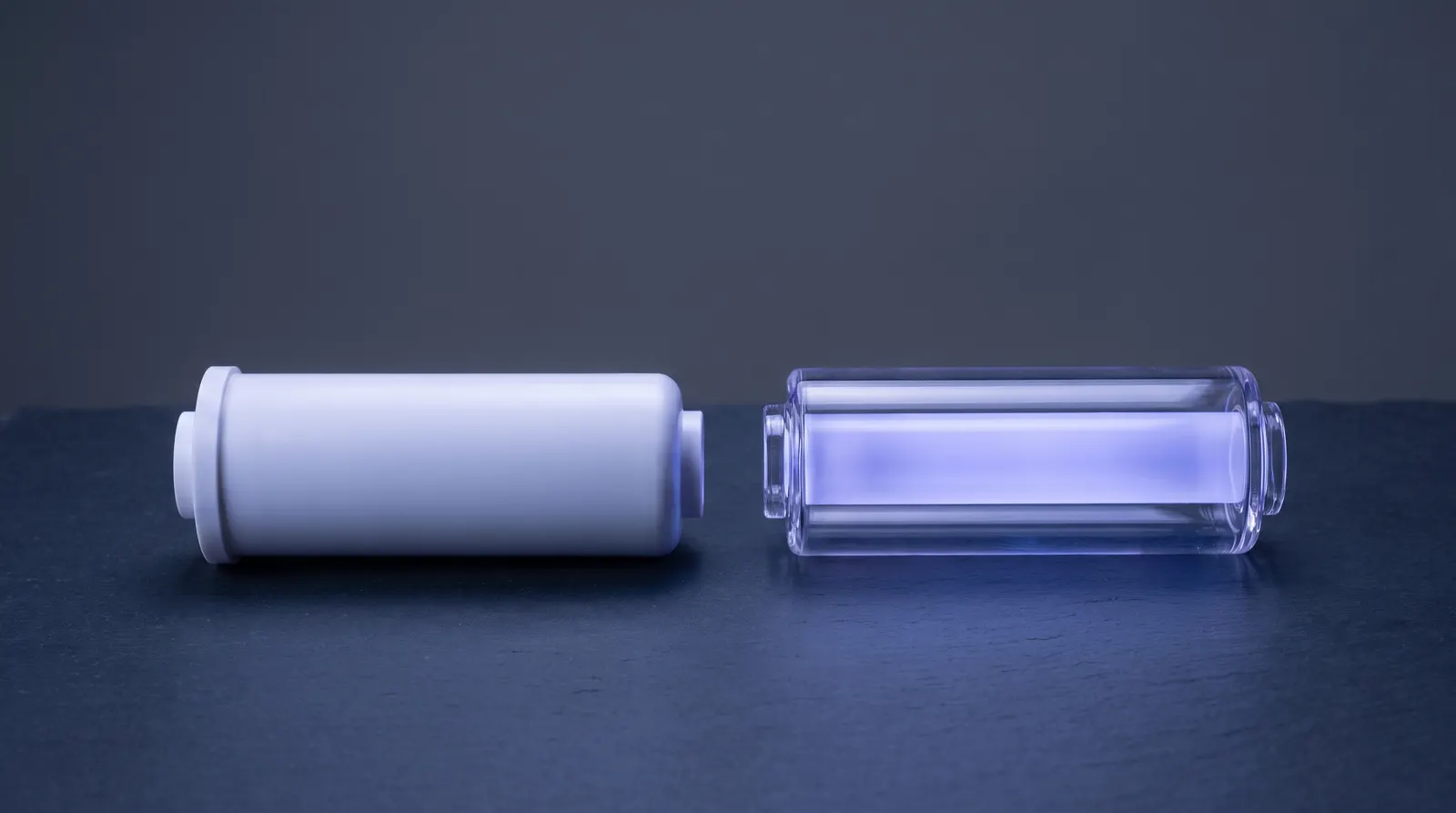
Traditional systems put each stage in its own housing, which means several housings under the sink, several seals to fail and several separate cartridges to source at service time. Integrating the stages into one cartridge body reduces both the footprint and the number of parts a service visit has to get right. It is a packaging decision rather than a filtration one — the stages themselves are the same.
What a specification sheet is telling you
Three numbers carry most of the meaning. Daily output says how much filtered water the system makes in twenty-four hours of continuous production, not how fast a glass fills. Minimum inlet pressure says the condition under which that figure holds. Feed-water limits say what the system was designed to be given — temperature, hardness, turbidity, whether it may be fed from anything other than a municipal tap.
Published capacities and minimum pressures differ by model and are on each model's page.