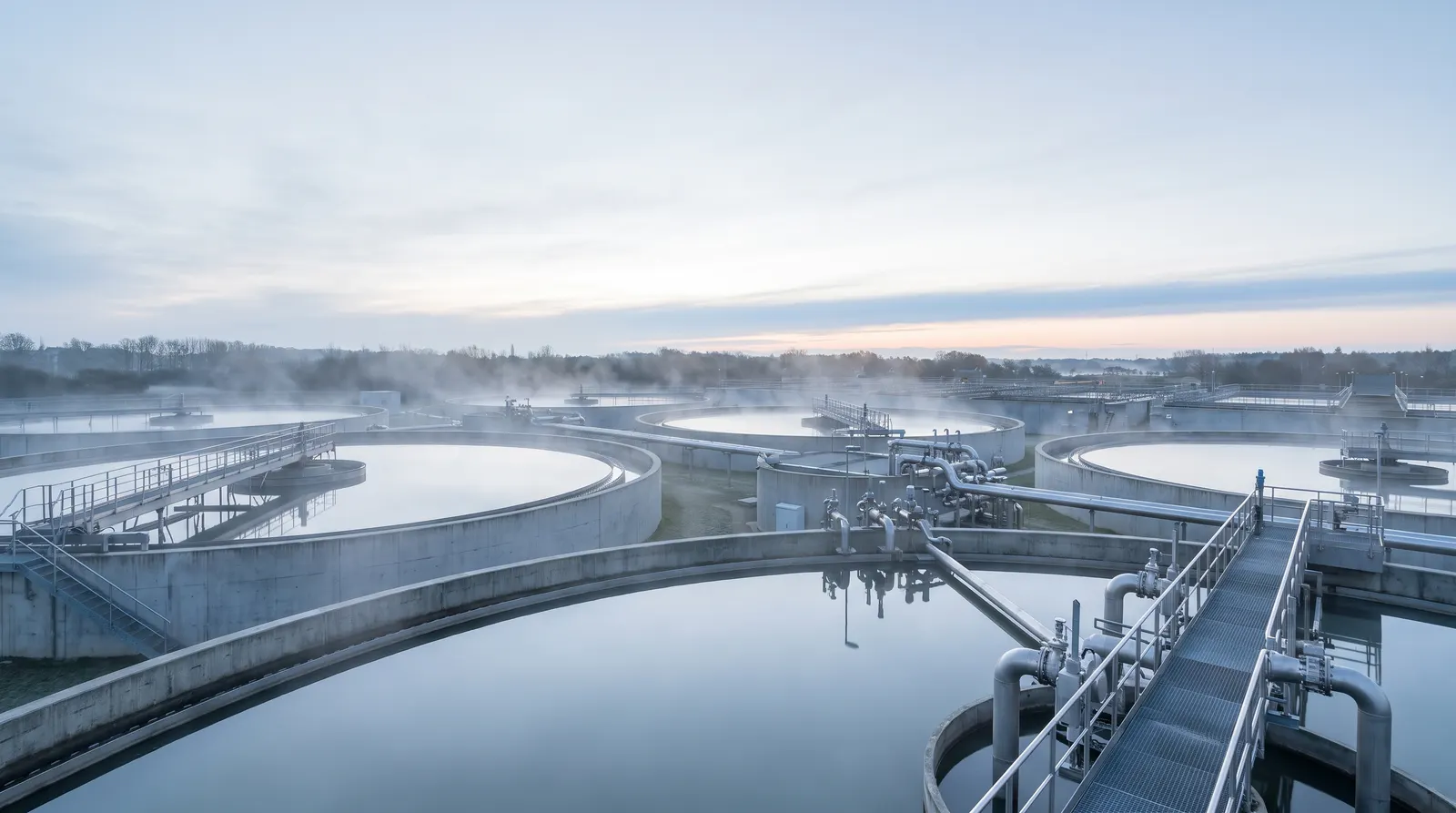
Water reuse means treating water that has already been used so it can serve again, instead of drawing new water for the same job. The idea is old; what changed is the treatment available to do it reliably.
It comes in grades
Reuse is not one standard. Water treated for irrigation, for cooling towers, for industrial process feed and for drinking are four different specifications, and the treatment train is sized to the use rather than to an idea of purity. Matching the grade to the job is the whole discipline: treating irrigation water to drinking standard wastes energy, and the reverse is a public-health failure.
Why it is being talked about now
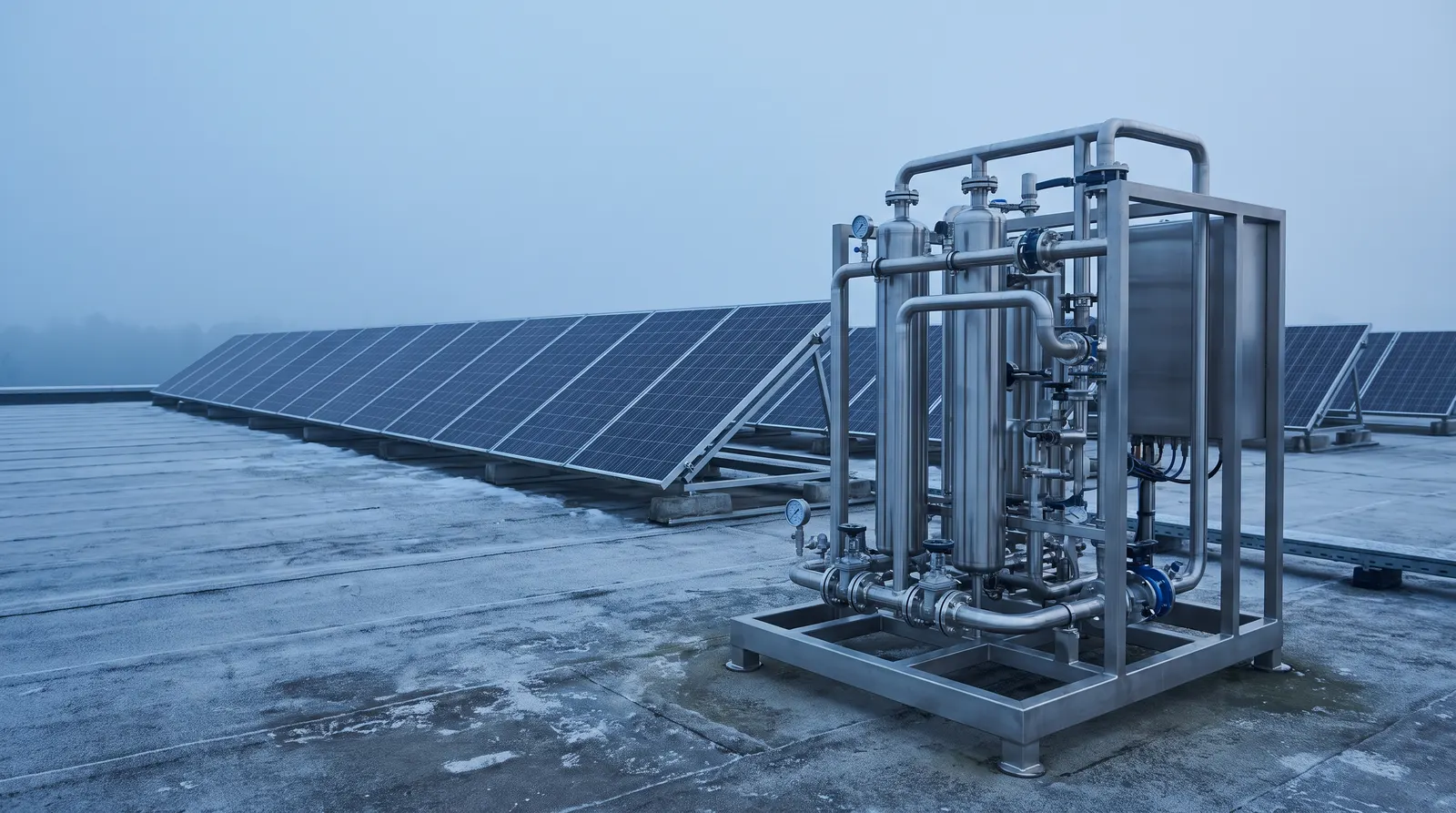
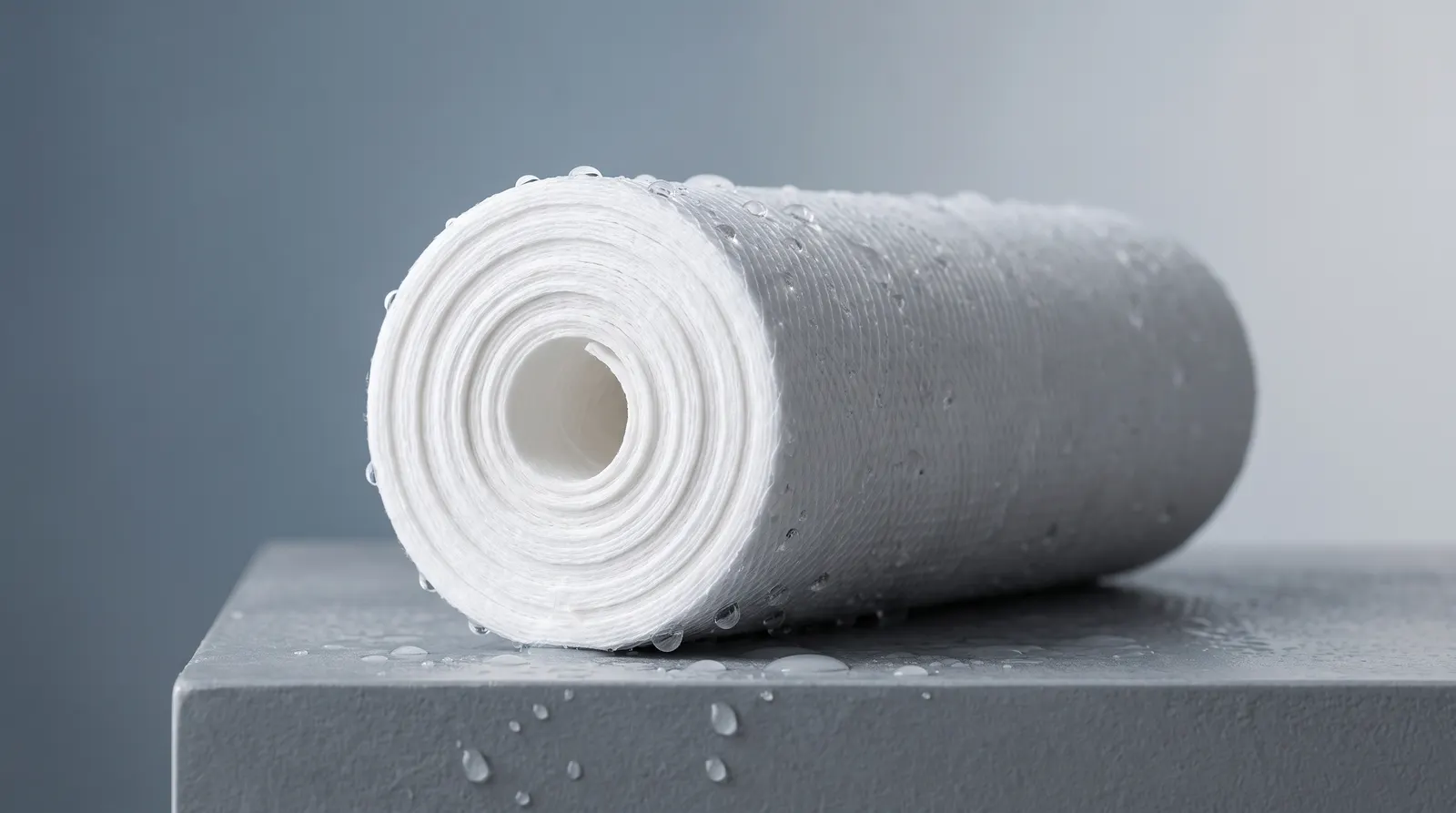
Because demand grows where supply does not. Industry and dense cities need volume in the same places that are short of it, and reuse extends what is already there without new abstraction. Membrane processes are central to that: they are what makes used water fit for a defined next purpose at a predictable specification.
Where a point-of-use system fits
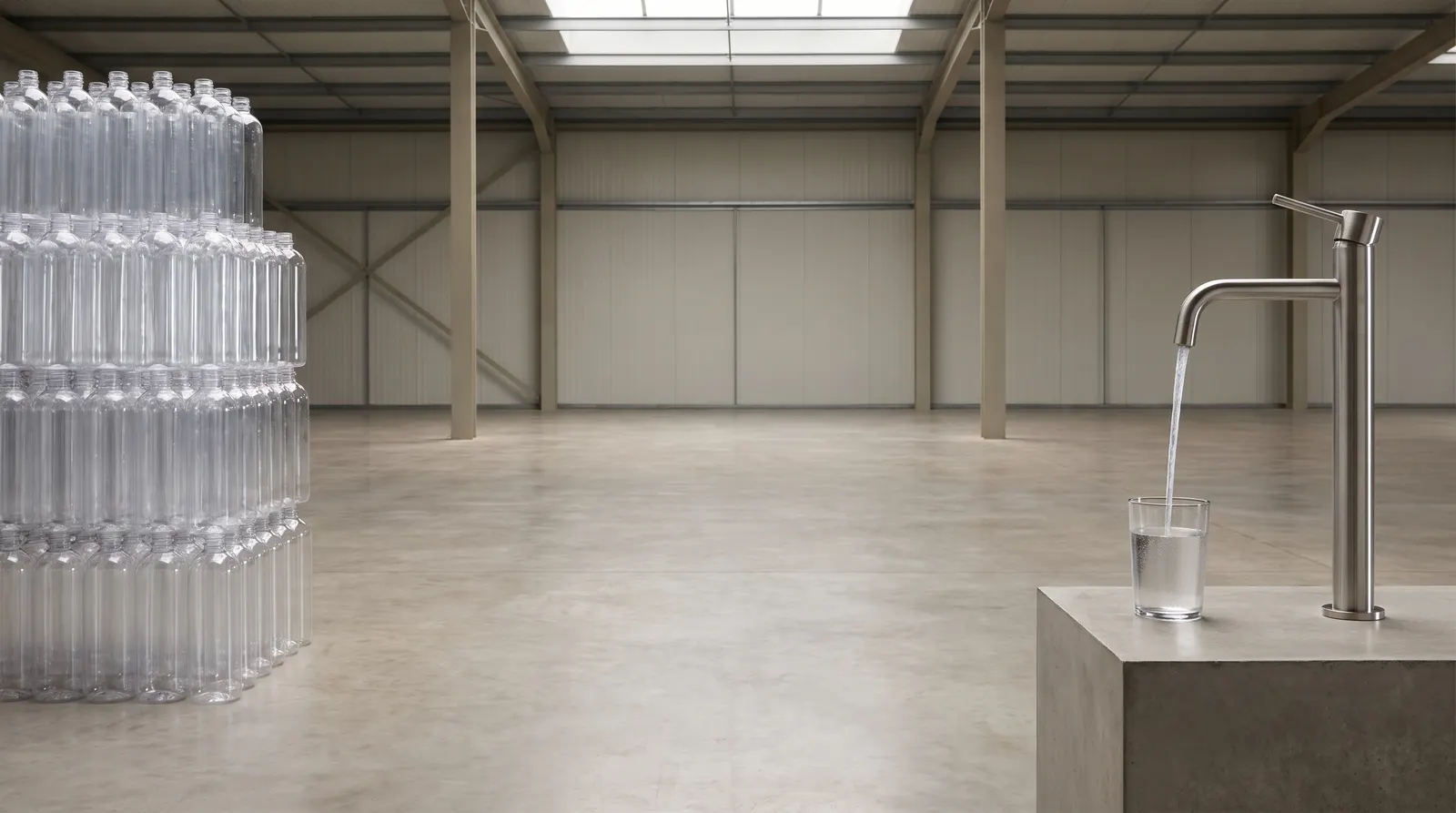
It is not a reuse plant, and it should not be sold as one. What it does contribute is on the demand side: filtered water at the tap displaces bottled water, which carries its own water and energy cost in packaging and transport. A system that runs on mains pressure with no pump and no electrical supply adds nothing to that footprint at all while it operates — which is the sustainability claim this range can make honestly, and the limit of it.