Every stage has a published interval, and every published interval assumes water and a usage rate that may not be yours. The number on the box is where the answer starts.
What each stage is actually running out of
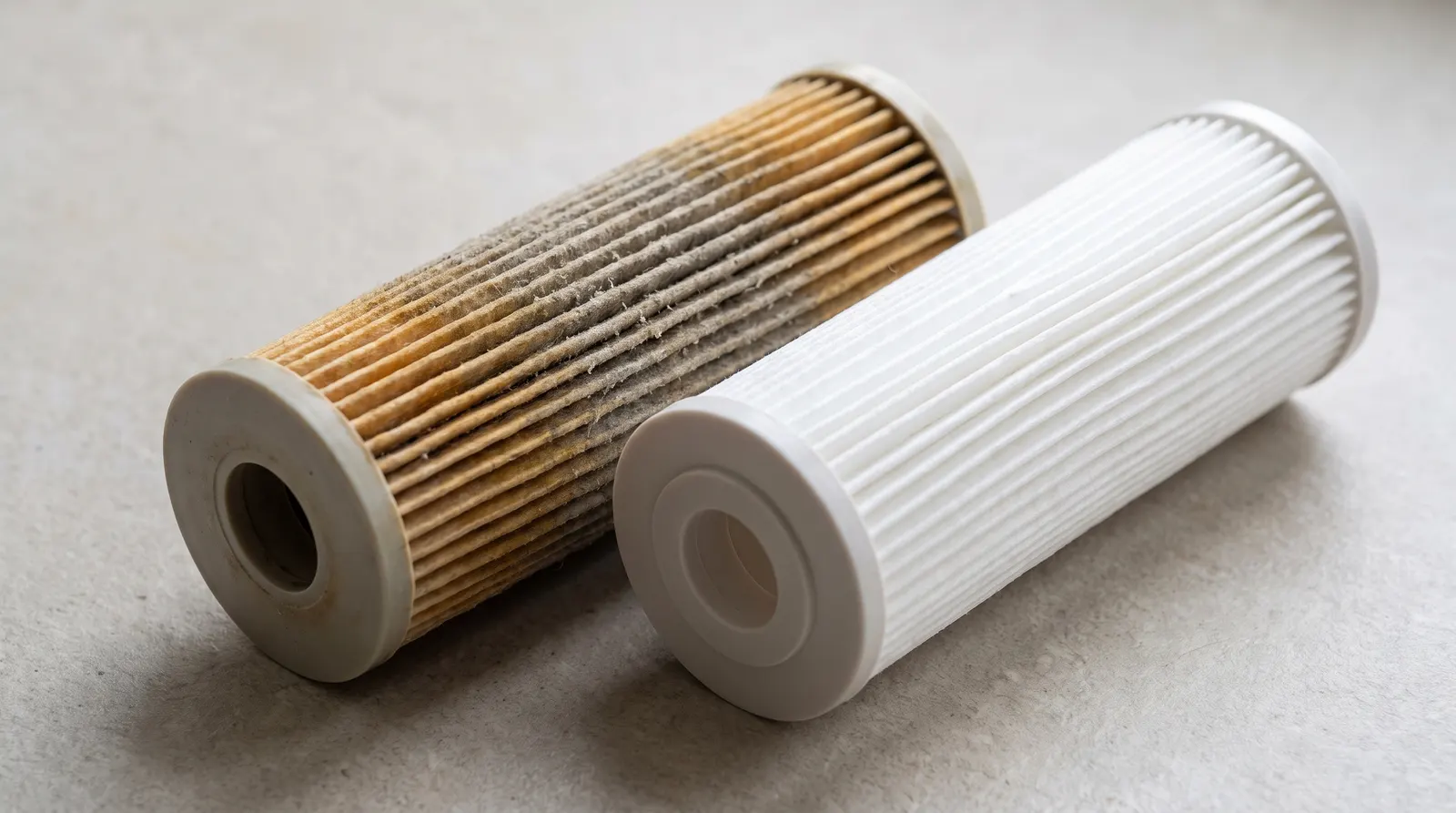
- Sediment: space. It fills with what it has caught, and the sign is falling flow rather than worse water.
- Carbon: capacity. Adsorption sites fill up, and when they do, chlorine and taste pass through as though the stage were not there.
- Membrane: surface. It fouls and scales, and it usually shows as reduced output and a rising share of concentrate rather than a sudden failure.
What shortens the interval
Harder or dirtier feed water, higher daily throughput than the rating assumes, sediment stages left in past their life so the load moves downstream, and long idle periods followed by heavy use. A holiday home and a café on the same model do not share a service schedule.
The signs worth acting on
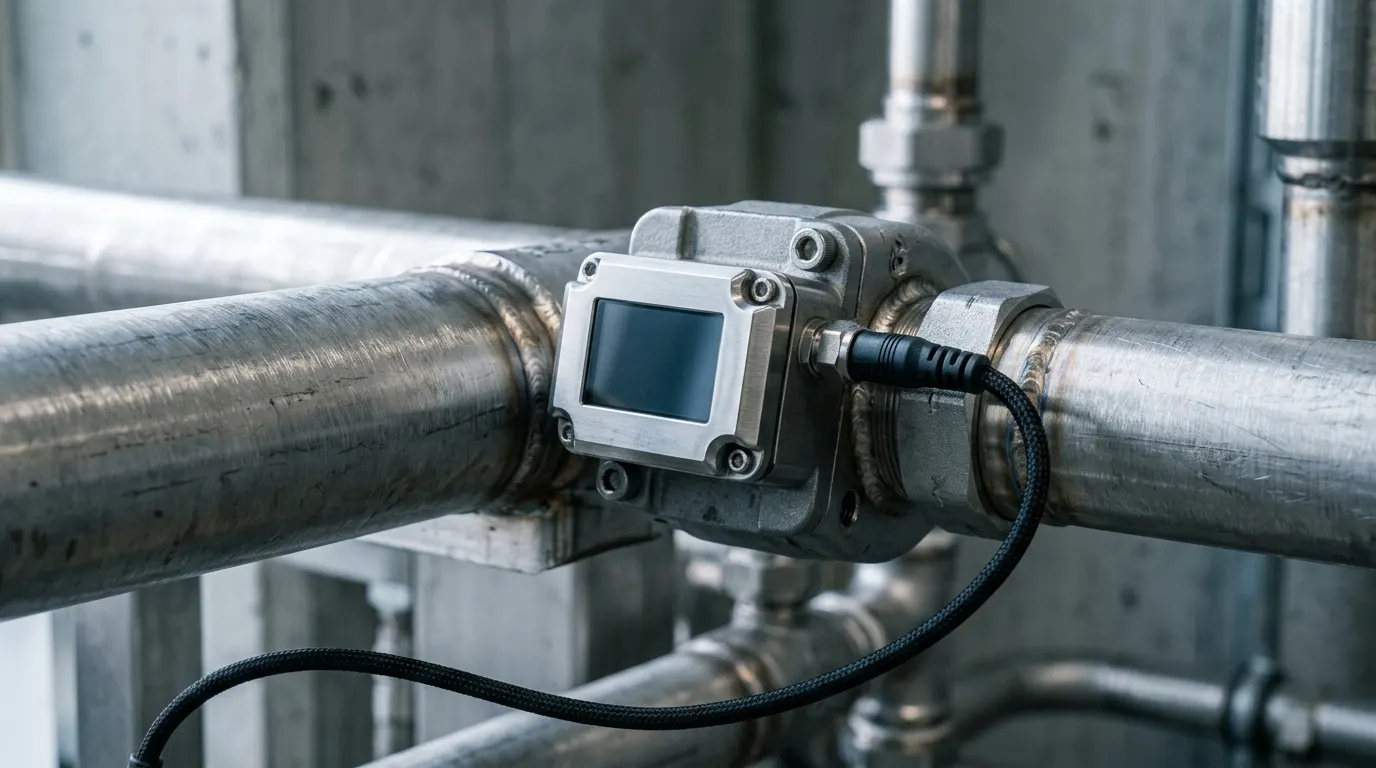
Flow that has dropped noticeably at the same mains pressure. Taste or smell returning. On systems that measure it, a rising reading on the filtered side. None of these is a reason to guess at a schedule — they are reasons to check the manual for the model you own, which states the intervals the manufacturer publishes for it.
Where a system integrates several stages into one cartridge body, replacement is one part rather than several, which removes the most common service mistake: replacing the stages that are easy to reach and leaving the one that is not.