Monitoring on a purification system is worth having, provided everyone is clear about which question each sensor answers. Most of the disappointment with these features comes from reading one measurement as an answer to a different question.
TDS: a conductivity reading, not a safety verdict
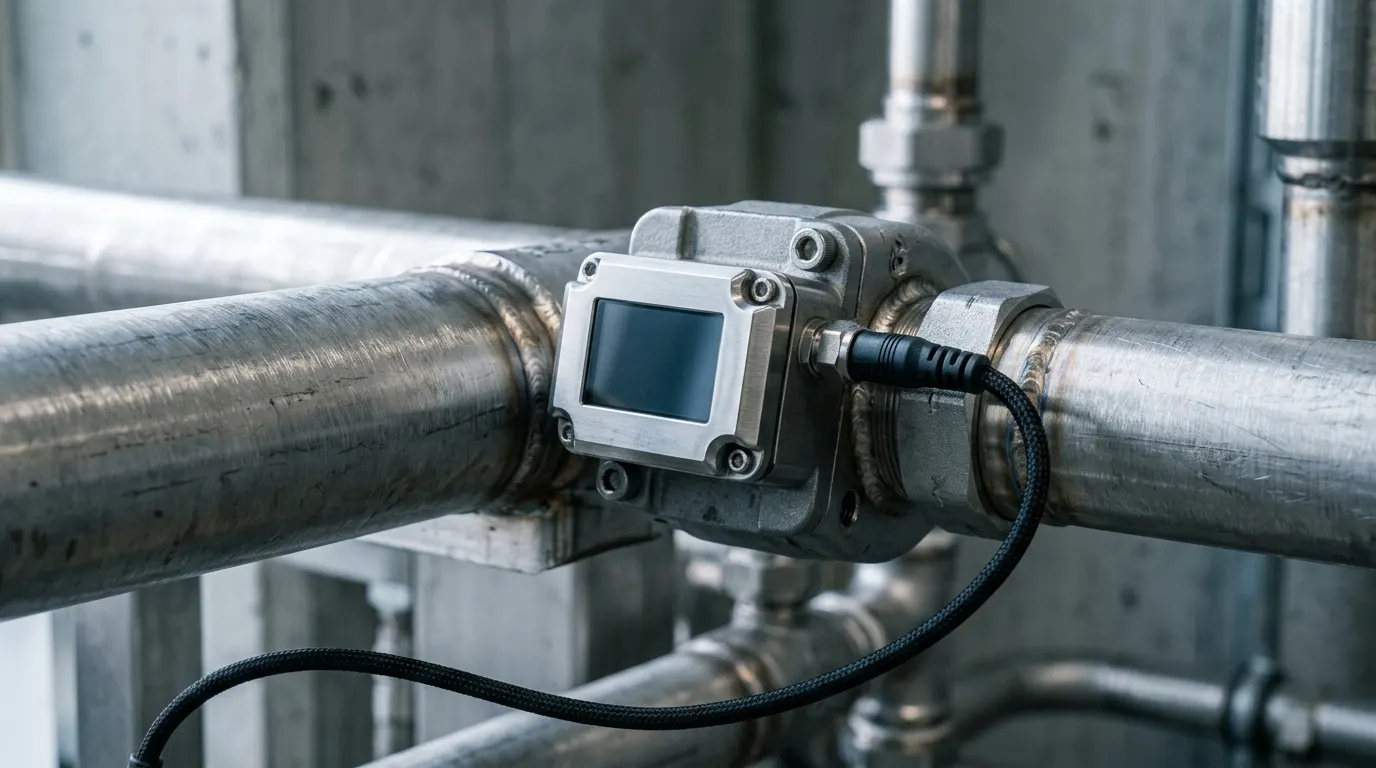
A TDS meter measures how well water conducts electricity and converts that to an estimate of dissolved solids. It responds to salts and minerals. It does not respond to most organic compounds, and it says nothing about bacteria. Mineral water scores badly on it and is perfectly safe; water can score well on it and not be. What TDS is genuinely good for is trend: a steady figure at a given tap, and a rise over weeks, tells you something has changed.
Filter indicators mostly count, they do not sense
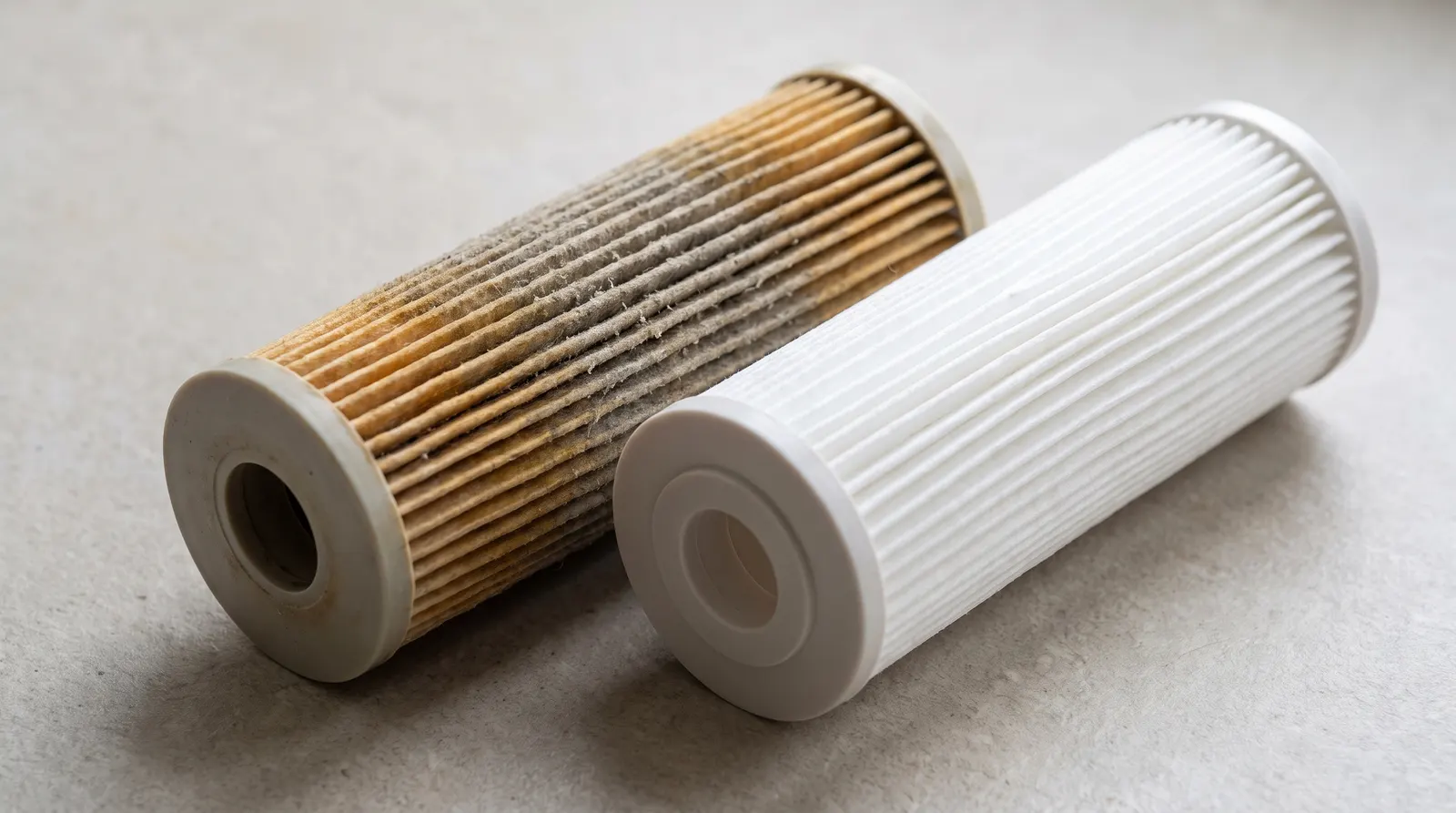
Most filter-life indicators are timers, or counters running on litres passed. That is a reasonable proxy and an honest one, as long as it is not read as a measurement of the media inside. A cartridge in hard, sediment-heavy water can be finished well before its counter agrees; the same cartridge on gentle municipal supply can have life left in it afterwards.
What actually answers the safety question
A laboratory test against a named standard, on a sample taken from your own tap. That is the instrument that reports contaminants by name at concentrations that matter. Monitoring on the machine is for the day-to-day question — is it behaving as it did last month — and it does that job well.