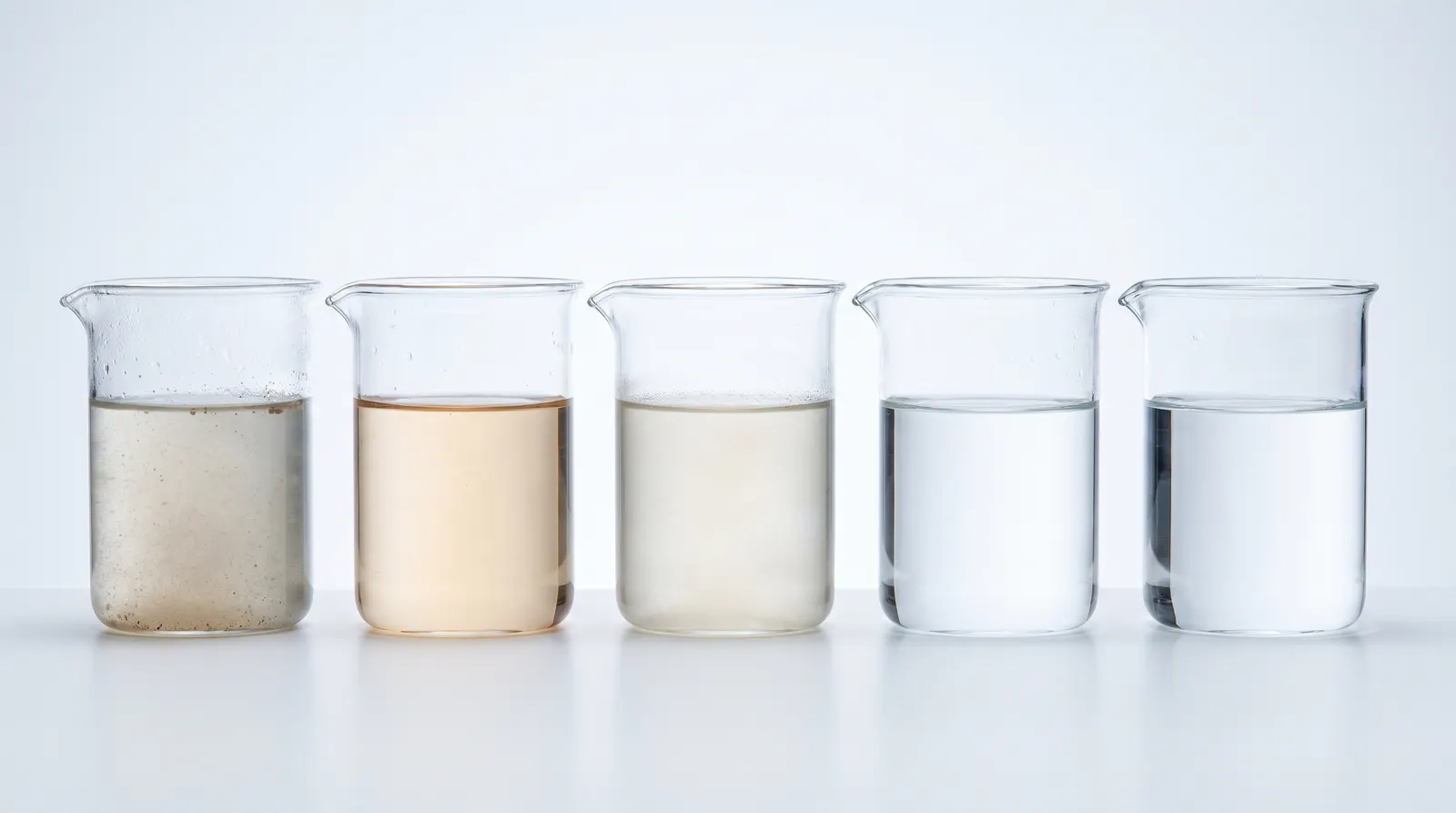
Chlorine is in tap water on purpose. It keeps the supply safe along kilometres of pipe between the works and the tap, and a residual at the far end is evidence the disinfection held. It is also the most common reason people say their water tastes of something.
Carbon is the stage that handles it
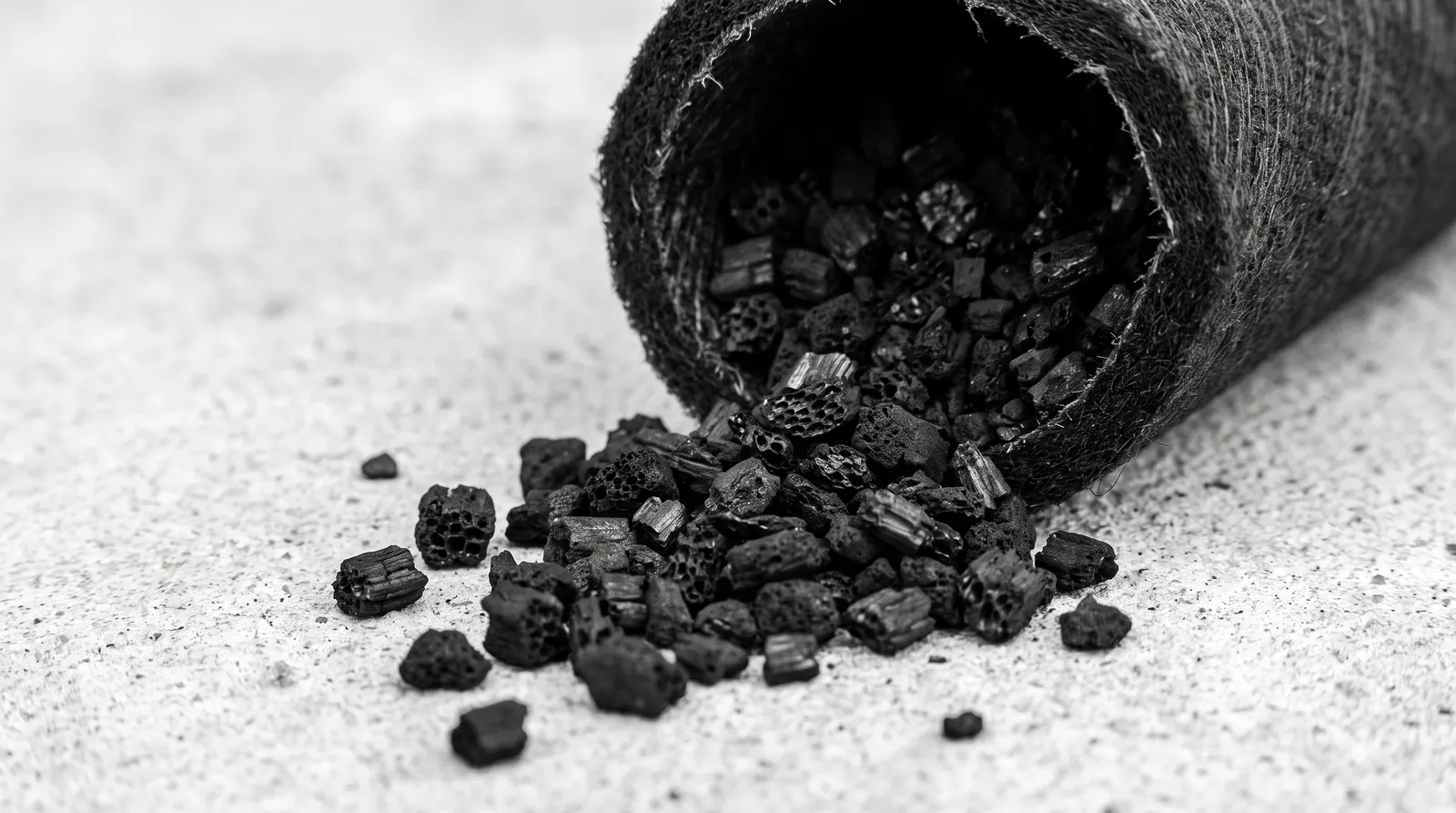
Activated carbon works by adsorption: chlorine and many of the organic compounds behind taste and odour stick to an enormous internal surface area as the water passes. This is why carbon sits ahead of a membrane in most systems — it protects the membrane, which chlorine degrades — and why a second carbon stage often sits after it to finish the taste.
Chloramine is the harder case
Some utilities dose chloramine instead of free chlorine because it persists longer in the network. It is more stubborn against ordinary carbon and generally needs more contact time or a catalytic media. If your water report names chloramine, that is a line to take to a supplier rather than to assume any carbon cartridge covers.
Adsorption is finite, and that is the maintenance story
A carbon stage does not block anything; it holds it. When the surface is loaded, taste returns — usually as the first sign anyone notices that a cartridge is due. That is why carbon is on a replacement interval, and why the return of a chlorine taste is worth treating as a scheduled event rather than a fault.