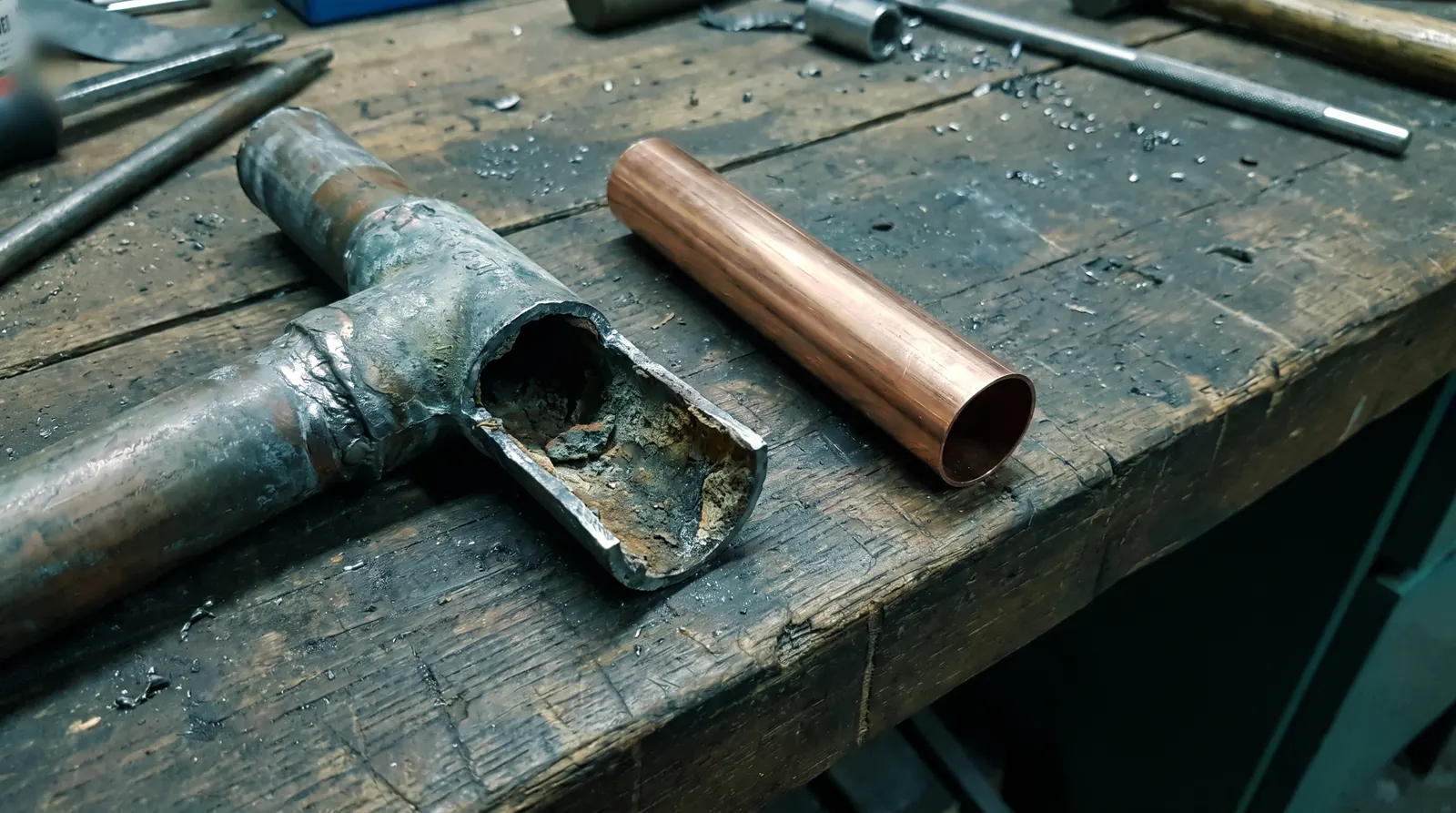
Lead is not usually present in water leaving a treatment works. It is picked up on the way, from lead service lines, from lead solder in older joints and from brass fittings, which is why two flats on the same street can test differently.
Standing water is the worst case
Metal dissolves into water that sits still. A first draw in the morning, or after a weekend in an office, has had the longest contact with whatever the pipework is made of. Any test worth acting on records whether the sample was a first draw or taken after flushing, because the two answer different questions.
Why this is a point-of-use problem
Treatment on the incoming main sits upstream of the pipework that is contributing the lead. Only treatment at the tap is downstream of all of it. That is the structural reason a point-of-use system answers this particular problem and a whole-building system does not.
What to ask for
A lead reduction claim on the exact model and cartridge configuration you are buying, tested against a named standard, with a certificate you can look up. A general statement that a technology reduces heavy metals is not the same document. What a certificate covers, and what it does not, is set out in what water-treatment certifications actually certify.