PFAS is a large family of synthetic compounds built around carbon-fluorine bonds. That bond is what makes them useful industrially and what makes them persistent: they do not break down readily in the environment or in a treatment process, which is where the popular name comes from.
Why persistence changes the approach
Processes that work by breaking a molecule down have little purchase here. What is used instead is separation and capture: a membrane that rejects the compound with the rest of the dissolved load, or a media that adsorbs it. Reverse osmosis and specific grades of activated carbon are the two most commonly cited for this reason, along with ion exchange resins designed for it.
Where the concentrate goes is part of the question
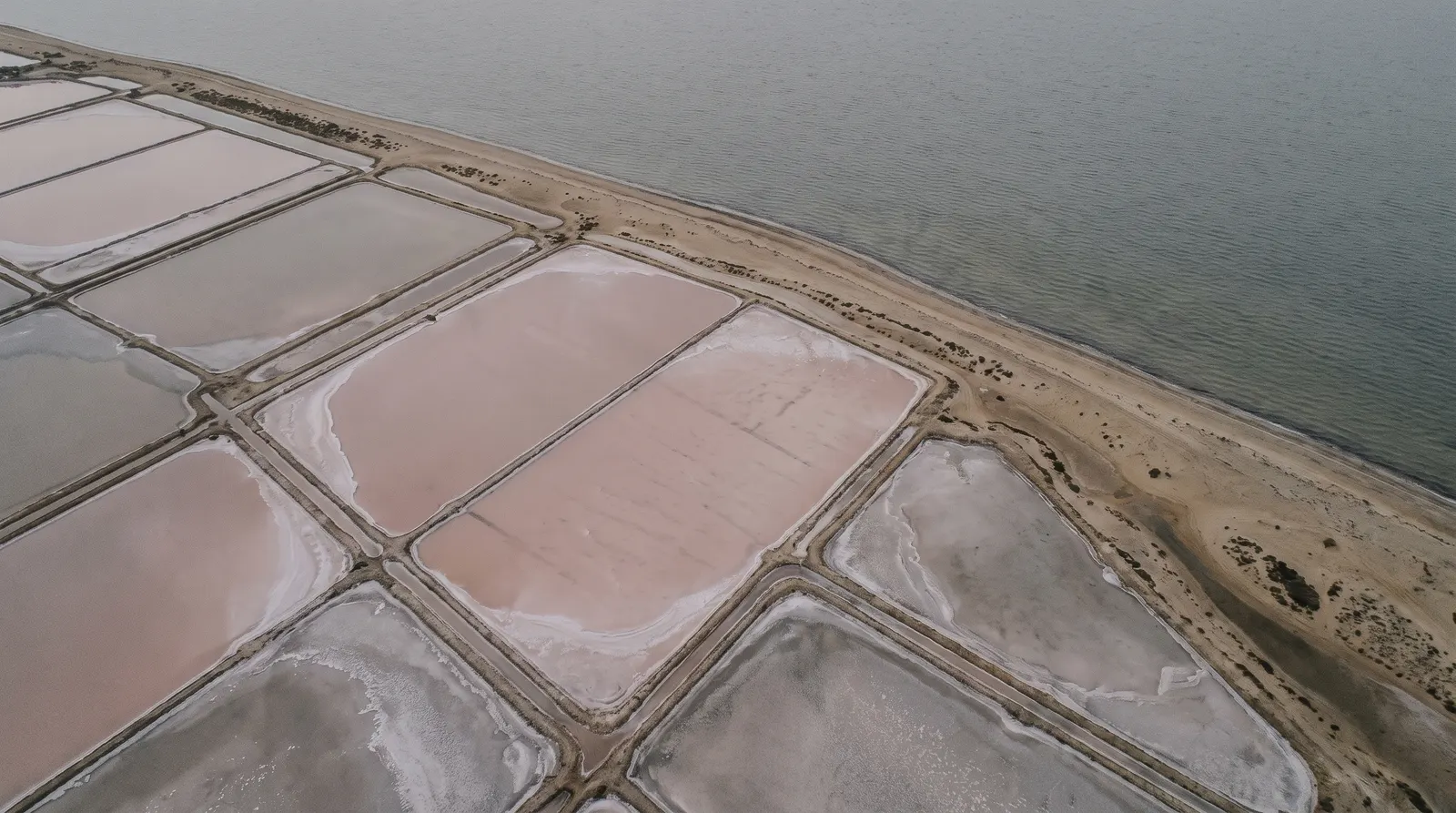
A membrane does not destroy what it rejects; it moves it into the concentrate stream. A carbon or resin bed holds it until the media is replaced. Neither is a fault — it is how separation works — but it is worth understanding that treatment relocates the compound rather than eliminating it, which is why the same discussion appears at plant scale under brine disposal.
What a buyer should ask
Which specific compounds a reduction claim covers, at what starting concentration, on which model and cartridge set, and against which protocol — with a certificate that can be looked up. Regulatory limits for this class are being revised in several countries at the time of writing; the current limit for your own supply belongs on your utility's report, not in an article that will age.